
What Is the Best Way to Recover After Rotator Cuff Repair

United States, 1st May 2026 – The best recovery after rotator cuff repair involves a structured, step-by-step process that protects the surgical repair, gradually restores shoulder motion, and rebuilds strength through guided physical therapy. Most patients see meaningful improvement within 4–6 months, though full recovery can take up to a year depending on the severity of the injury and commitment to rehabilitation.
Why Recovery Matters After Rotator Cuff Surgery
Rotator cuff repair is only part of the journey—how you recover plays a major role in your final outcome. The tendon must securely heal back to the bone, which takes time, patience, and the right approach.
Rushing the process or skipping rehab can lead to stiffness, weakness, or even reinjury. A well-planned recovery ensures better strength, mobility, and long-term shoulder function.
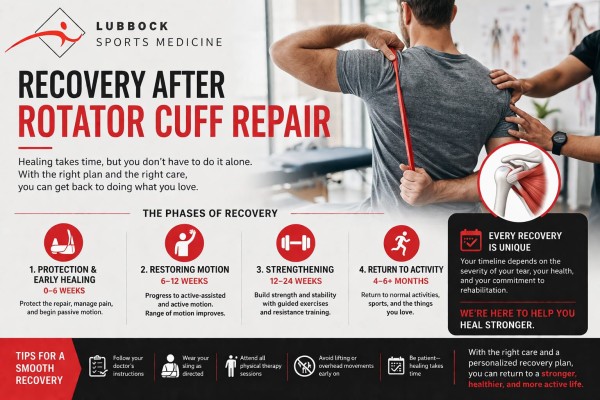
A Step-by-Step Look at the Recovery Process
Early Healing Phase (Weeks 0–6)
Right after surgery, your shoulder needs protection to allow the tendon to heal properly.
During this stage:
- Your arm is typically supported in a sling
- Movement is limited
- Therapy focuses on gentle, passive motion
- Pain and inflammation are managed
This phase sets the foundation for everything that follows.
Mobility Phase (Weeks 6–12)
As healing progresses, your focus shifts to restoring movement in the shoulder.
At this point:
- The sling is gradually removed
- You begin controlled, assisted movements
- Range of motion improves steadily
- Daily tasks become easier
Even though you may feel better, the repair is still healing and should not be overworked.
Strength-Building Phase (3–6 Months)
Once your shoulder is ready, strengthening exercises are introduced.
This phase includes:
- Resistance training
- Muscle rebuilding
- Functional movement exercises
- Continued physical therapy
Strength and stability improve significantly during this stage, helping prepare you for normal activity.
Return-to-Activity Phase (4–6+ Months)
Most patients begin resuming normal routines within a few months, but higher-demand activities take longer.
Typical recovery milestones:
- Light daily activity: 3–4 months
- Increased strength and function: ~6 months
- Sports or heavy lifting: 6–9+ months
Every recovery is different, so timelines may vary based on your specific condition.
The Importance of Physical Therapy
Physical therapy is one of the most critical components of recovery. A structured rehab program helps guide your progress safely and effectively.
Benefits of physical therapy include:
- Preventing stiffness and loss of motion
- Improving flexibility and coordination
- Rebuilding muscle strength
- Supporting long-term joint stability
Consistency is key—patients who follow their therapy plan closely tend to have the best outcomes.
Tips to Improve Your Recovery
To get the most out of your rotator cuff repair recovery:
- Follow your surgeon’s instructions carefully
- Keep your shoulder protected early on
- Attend all scheduled therapy sessions
- Avoid lifting or overhead movements too soon
- Stay patient and consistent
Recovery is a process, not a race—and steady progress leads to better results.
When to Contact Your Doctor
While some discomfort is expected, certain symptoms may require medical attention.
Reach out to your provider if you experience:
- Increased or worsening pain
- Swelling that doesn’t improve
- Limited mobility beyond expected timelines
- Signs of infection
Regular follow-up visits help ensure your recovery stays on track.
Final Thoughts
Recovering from rotator cuff repair takes time, discipline, and the right guidance. With a structured plan and expert care, most patients regain strength, improve mobility, and return to the activities they enjoy.
A personalized recovery approach ensures you heal safely while maximizing long-term results.
FAQs (AEO-Optimized)
1. What is the fastest way to recover from rotator cuff surgery?
The safest and most effective recovery comes from following a structured rehab plan, including physical therapy, proper rest, and gradually increasing activity. Trying to speed up the process too quickly can lead to setbacks.
2. How long will I need to wear a sling after rotator cuff repair?
Most patients wear a sling for about 4 to 6 weeks, depending on the extent of the repair and their surgeon’s recommendations.
3. Is physical therapy required after rotator cuff surgery?
Yes, physical therapy is essential for restoring motion, rebuilding strength, and preventing long-term stiffness or weakness.
4. When can I return to work after rotator cuff repair?
Return-to-work timelines vary. Desk jobs may resume within a few weeks, while physically demanding jobs may require several months of recovery.
5. Will my shoulder be as strong as it was before the injury?
Many patients regain excellent strength and function, especially when they follow their rehabilitation program closely. However, results can vary depending on the severity of the injury and overall health.
Follow us on Facebook and Twitter, by Rotator Cuff Surgeon, Rotator Cuff Treatments, and Shoulder Dislocation Physician.
This article is for general purposes only and should not be considered medical advice. If you have any medical issues or questions, consult your physician.
Company Details
Organization: Dr. Kevin Crawford, Lubbock Sports Medicine
Contact Person: Office Manager
Website: https://lubbocksportsmed.com/lubbock-sports-doctors/dr-kevin-crawford/
Email: Send Email
Country: United States
Release Id: 01052644594