
Warning Signs of Illness Every Dog Owner Should Know

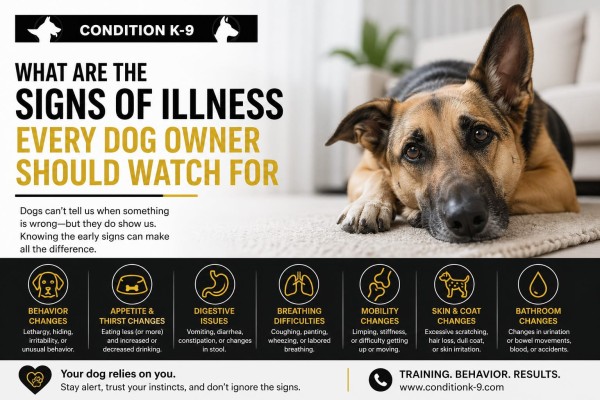
United States, 2nd May 2026 – Dogs can’t tell us when something is wrong—but they often show us in subtle ways. Recognizing early warning signs of illness can help you take action quickly and protect your dog’s health before a condition becomes more serious.
Why Paying Attention Matters
Dogs are naturally wired to hide discomfort. This instinct comes from survival behavior, where showing weakness could make them vulnerable.
Because of this, even small changes in behavior or routine can be meaningful. The sooner you notice something unusual, the better the chances of addressing the issue early and effectively.
Behavioral Changes That May Signal a Problem
One of the first indicators of illness is often a shift in your dog’s normal behavior.
Be mindful of:
- Low energy or unusual fatigue
- Withdrawal or hiding
- Increased irritability or aggression
- Restlessness or difficulty settling
If your dog’s personality or routine suddenly changes, it’s worth paying attention.
Appetite and Hydration Changes
Eating and drinking habits are strong indicators of your dog’s overall health.
Watch for:
- Refusing food or eating less than usual
- Sudden increase in hunger
- Drinking significantly more or less water
- Unexpected weight changes
These shifts may point to digestive issues, stress, or more serious underlying conditions.
Digestive Symptoms to Monitor
Occasional stomach upset can happen, but ongoing digestive issues should not be ignored.
Look out for:
- Repeated vomiting
- Diarrhea or constipation
- Changes in stool appearance
- Signs of abdominal discomfort
Persistent symptoms often indicate that something isn’t right internally.
Breathing and Respiratory Concerns
Changes in breathing can range from mild irritation to serious health conditions.
Pay attention to:
- Coughing or sneezing that doesn’t resolve
- Labored or rapid breathing
- Wheezing sounds
- Excessive panting without activity
Any breathing difficulty should be taken seriously and addressed promptly.
Mobility and Physical Discomfort
Your dog’s movement can reveal a lot about their health.
Signs to watch for include:
- Limping or stiffness
- Difficulty standing or climbing
- Reduced activity or reluctance to move
- Visible swelling or unusual lumps
These symptoms may be linked to injury, joint issues, or deeper health concerns.
Skin, Coat, and Overall Appearance
A healthy dog typically has a clean, shiny coat and healthy skin.
Be alert for:
- Excessive scratching or licking
- Hair loss or dull fur
- Redness, irritation, or sores
- Unusual odors
Skin and coat changes often reflect internal health or allergic reactions.
Changes in Bathroom Habits
Shifts in urination or bowel movements can indicate internal issues.
Watch for:
- Increased or decreased urination
- Difficulty relieving themselves
- Blood in urine or stool
- Accidents in a previously house-trained dog
These signs may point to urinary, digestive, or kidney-related problems.
Signs That Require Immediate Attention
Some symptoms should never be ignored and may require urgent care.
Seek help right away if your dog experiences:
- Difficulty breathing
- Collapse or extreme weakness
- Seizures
- Severe or repeated vomiting
- Inability to urinate or defecate
Quick action in these situations can be life-saving.
Your dog depends on you to recognize when something isn’t right. By staying aware of changes in behavior, appetite, movement, and overall condition, you can catch potential health issues early.
When in doubt, it’s always better to be proactive. Early intervention can make a significant difference in your dog’s comfort, health, and quality of life.
FAQs
1. What is the earliest sign that a dog may be sick?
A noticeable change in behavior—such as reduced energy, withdrawal, or loss of interest in normal activities—is often one of the earliest signs.
2. How long should I wait before contacting a veterinarian?
If symptoms last more than 24 hours or worsen quickly, it’s best to consult a veterinarian.
3. Can changes in eating habits indicate illness?
Yes, both decreased and increased appetite can signal underlying health issues and should be monitored.
4. Is occasional vomiting normal for dogs?
It can happen occasionally, but repeated or severe vomiting should be evaluated by a professional.
5. What are common signs that a dog may be in pain?
Signs of pain include limping, whining, restlessness, aggression, and reluctance to move or be touched.
Courtesy of Certified Dog Trainers and On Leash Dog Training. Click here for more on Certified Dog Trainers in Phoenix. Follow us on Facebook & Twitter.
This content is not to be considered as expert advice but rather as a general reading pleasure. For proper dog training, consult with an expert Phoenix dog trainers.
Company Details
Organization: Condition K-9, Phoenix Dog Training
Contact Person: Office Manager
Website: https://conditionk-9.com
Email: Send Email
Country: United States
Release Id: 02052644614