
How Much Sleep Do Kids Need – A Parent’s Guide to Better Rest and Healthy Development

Helping Children Sleep Better for Growth, Learning, and Well-Being
United States, 9th May 2026 – Sleep plays a powerful role in a child’s life. It’s not just about getting through the night—it’s about supporting brain development, emotional balance, physical growth, and overall health.
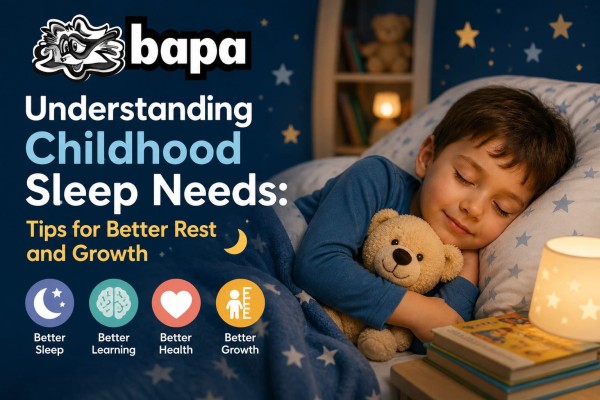
Still, many parents find themselves asking the same questions:
Is my child getting enough sleep? Why are they struggling at bedtime? What can I do to help?
The good news is that improving your child’s sleep often comes down to understanding their needs and creating consistent habits.
Sleep Needs by Age: What’s Normal?
Children’s sleep requirements change as they grow, but most need more rest than we realize.
Here’s a general breakdown:
- Ages 1–2: Around 11–14 hours daily (including naps)
- Ages 3–5: About 10–13 hours per day
- Ages 6–12: Roughly 9–12 hours each night
- Teens: Typically 8–10 hours per night
These ranges can vary slightly, but consistently falling short can lead to noticeable changes in mood, behavior, and focus.
Why Sleep Is So Important for Children
Sleep is when a child’s body and mind recharge and develop.
🧠 Supports Learning and Memory
A well-rested brain processes and stores information more effectively. Kids who sleep well are often more attentive and perform better academically.
💪 Encourages Physical Growth
Important growth processes occur during deep sleep, making rest essential for healthy development.
❤️ Helps Manage Emotions
Children who get enough sleep tend to handle frustration, stress, and social interactions more smoothly.
🛡️ Strengthens the Immune System
Quality sleep helps the body fight off illness and recover faster when children do get sick.
Common Sleep Struggles Families Face
Sleep challenges are a normal part of growing up, but they can disrupt routines and affect the whole household.
Parents often deal with:
- Trouble settling down at night
- Frequent wake-ups
- Fear of darkness or bedtime anxiety
- Irregular sleep schedules
- Screen time close to bedtime
The key is recognizing patterns and making small, consistent adjustments.
Practical Ways to Improve Your Child’s Sleep
You don’t need a perfect routine—just a consistent one.
🌙 Create a Calming Nighttime Routine
Simple activities like reading, bath time, or quiet conversation help signal that bedtime is approaching.
📵 Reduce Screen Exposure
Devices can interfere with natural sleep rhythms. Turning off screens before bed can make falling asleep easier.
🛏️ Make the Bedroom Sleep-Friendly
A quiet, dimly lit, and comfortable space encourages deeper rest.
⏰ Stick to a Consistent Schedule
Going to bed and waking up at the same time each day helps regulate your child’s internal clock.
☀️ Encourage Active Days
Children who stay active during the day tend to fall asleep faster at night.
How to Tell If Your Child Needs More Sleep
Sleep deprivation doesn’t always look like tiredness in children.
Watch for:
- Increased irritability
- Difficulty focusing
- Hyperactive behavior
- Trouble waking up
- Frequent colds or fatigue
These signs often improve once sleep habits are adjusted.
Building Healthy Sleep Habits Early
Good sleep habits learned in childhood can last a lifetime. Teaching kids to value rest helps them develop routines that support their health, learning, and emotional well-being as they grow.
Consistency is more important than perfection. Even small changes can lead to meaningful improvements over time.
Better Sleep for Kids—and Parents Too
When children sleep better, everyone benefits. Evenings become more relaxed, mornings run smoother, and the entire household feels more balanced.
If sleep challenges continue, professional guidance can help—but for many families, simple, consistent habits make all the difference.
❓ FAQs
1. How can I tell if my child is getting enough sleep?
If your child wakes up easily, stays focused during the day, and maintains a stable mood, they are likely getting enough rest.
2. Why does my child resist bedtime?
Resistance can come from overstimulation, inconsistent routines, or difficulty winding down. A predictable routine often helps.
3. Should naps be limited?
Naps are helpful for younger children, but long or late naps can interfere with nighttime sleep.
4. What’s the best way to help a child fall asleep faster?
A calm environment, consistent bedtime, and reduced screen time can make it easier for children to fall asleep.
5. When should I be concerned about sleep issues?
If sleep problems are ongoing and affecting behavior, health, or daily functioning, it may be time to seek professional advice.
For more information, check out Bapa Books and Bapa’s Word Puzzle Books, Coloring Books for Kids, and Number Sense Books. Follow us on Facebook and X.
This content is for general reading purposes only and should not be considered as medical or professional advice
Company Details
Organization: Bapa Productions LLC
Contact Person: Office Manager
Website: https://bapabooks.com
Email: Send Email
Country: United States
Release Id: 09052644854