
How Biologic Patch Augmentation Is Changing Rotator Cuff Repair Surgery

United States, 4th Jun 2026 – Rotator cuff tears are among the most common shoulder injuries affecting active adults, athletes, and older individuals. These injuries can lead to chronic shoulder pain, weakness, reduced range of motion, and difficulty performing everyday tasks. While traditional rotator cuff repair remains an effective treatment option, advancements in orthopedic medicine have introduced new techniques aimed at improving healing and long-term outcomes.
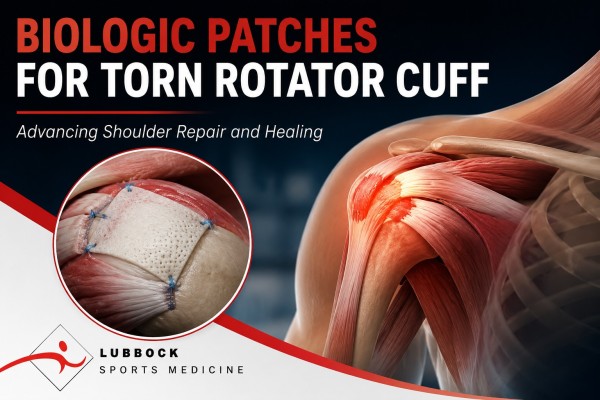
One innovation receiving significant attention is biologic patch augmentation, a procedure designed to provide additional support to repaired rotator cuff tendons and encourage tissue healing.
The Challenge of Healing Rotator Cuff Tears
Repairing a torn rotator cuff involves reattaching damaged tendon tissue to the bone. Although surgical techniques have improved dramatically over the years, tendon healing can still be difficult in certain cases.
Factors such as age, tendon degeneration, tear size, reduced blood supply, and chronic injury can affect how well the tendon heals following surgery. Larger tears and revision surgeries often carry a greater risk of incomplete healing or future re-tears.
Because of these challenges, orthopedic surgeons continue to explore ways to strengthen repairs and support the body’s natural recovery process.
What Is Biologic Augmentation?
Biologic augmentation involves placing a specially designed biologic graft over the repaired tendon during surgery. The graft serves as a scaffold that can help support tissue growth and reinforce the repair while healing occurs.
These biologic materials are processed to be compatible with the body and are intended to integrate into surrounding tissue over time. Rather than functioning as a permanent implant, the patch provides temporary structural support while natural healing progresses.
Potential Benefits of Biologic Patches
The primary goal of biologic augmentation is to create a stronger healing environment around the repaired tendon. Potential advantages may include:
- Additional reinforcement of the repair site
- Improved tissue quality during healing
- Enhanced biological support for tendon regeneration
- Increased tendon thickness and strength
- Reduced stress on repaired tissue
- Potential improvement in long-term repair durability
While individual results vary, biologic patch technology offers surgeons another option when treating more complex shoulder injuries.
Patients Who May Be Candidates
Biologic patches are not typically necessary for every rotator cuff repair. However, they may be considered for patients who have:
- Large rotator cuff tears
- Chronic tendon injuries
- Poor tendon quality
- Previous failed rotator cuff repairs
- Significant tendon degeneration
- High physical activity demands
A thorough evaluation, including imaging studies and physical examination, helps determine whether biologic augmentation may be beneficial.
Minimally Invasive Surgical Techniques
Many biologic patch procedures can be performed arthroscopically using small incisions and specialized surgical instruments. During the procedure, the surgeon repairs the torn tendon and then secures the biologic patch over the repair area.
Arthroscopic techniques often result in less tissue disruption and may allow for a more comfortable recovery compared to traditional open surgical approaches.
Rehabilitation and Recovery
Following surgery, patients typically participate in a structured rehabilitation program designed to protect the repair while gradually restoring strength and mobility.
Recovery often includes:
- Initial shoulder immobilization
- Controlled range-of-motion exercises
- Progressive strengthening programs
- Functional rehabilitation
- Gradual return to work, sports, and recreational activities
The overall recovery timeline depends on the size of the tear, the quality of the tissue, and individual healing factors.
Looking Ahead
Biologic patch augmentation represents one of several emerging technologies designed to improve outcomes in rotator cuff repair surgery. As research continues and surgical techniques evolve, these biologic solutions may play an increasingly important role in helping patients recover from complex shoulder injuries.
Individuals experiencing persistent shoulder pain, weakness, or limited mobility should consult with an orthopedic shoulder specialist to discuss available treatment options and determine whether advanced repair techniques may be appropriate for their condition.
FAQs
What does a biologic patch do during rotator cuff surgery?
A biologic patch reinforces the repaired tendon and serves as a scaffold that supports the body’s natural healing response.
Is a biologic patch permanent?
No. Most biologic patches are designed to integrate with the body’s tissue over time and are not intended to function as permanent implants.
Are biologic patches used for small rotator cuff tears?
Typically, biologic augmentation is reserved for larger, more complex tears or situations involving poor tendon quality.
Does biologic augmentation eliminate the risk of re-tearing the tendon?
No surgical procedure can completely eliminate re-tear risk, but biologic augmentation may help strengthen certain repairs and improve healing conditions.
How long does recovery take after rotator cuff repair with a biologic patch?
Recovery varies by patient and injury severity, but most individuals can expect several months of rehabilitation before returning to full activities.
Follow us on Facebook and Twitter, by Rotator Cuff Surgeon, Rotator Cuff Treatments, and Biologic Patches for Torn Rotator Cuffs Physician.
This article is for general purposes only and should not be considered medical advice. If you have any medical issues or questions, consult your physician.
Company Details
Organization: Dr. Kevin Crawford, Sports Medicine Doctor.
Contact Person: Office Manager
Website: https://drkevincrawford.com/biologic-patches-for-torn-rotator-cuffs/
Email: Send Email
Country: United States
Release Id: 04062645702