
Emotional Trading Impacts Outcomes as Cody Burgat Emphasizes Discipline and Structure

Managing emotional responses is becoming a key focus for traders navigating uncertain market conditions
As financial markets continue to experience rapid fluctuations, emotional decision-making remains one of the most significant challenges faced by traders. While access to data and trading tools has improved, the ability to maintain discipline during periods of uncertainty continues to separate consistent participants from those struggling with performance.
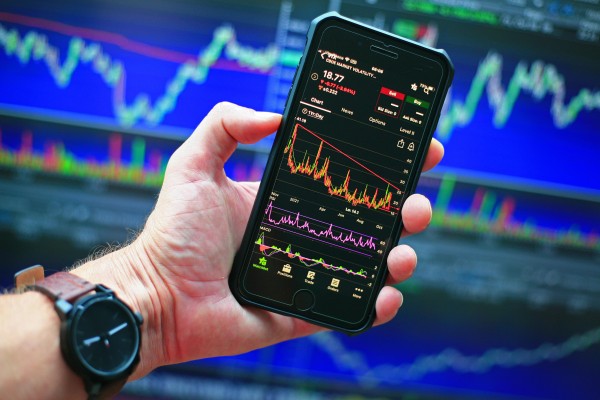
Cody Burgat, a market analyst and investor known for his structured approach to trading, says that emotional responses often play a larger role in outcomes than many traders realize.
“Markets create pressure, especially during volatility,” Burgat said. “Without discipline, it’s easy to make decisions based on emotion rather than process.”
Cody Burgat explains that emotions such as fear, overconfidence and impatience can influence decision-making at critical moments. Rapid price movements, unexpected market events and short-term losses can all trigger reactions that deviate from a trader’s original plan.
In many cases, traders may exit positions prematurely, increase risk exposure unnecessarily or abandon their strategy altogether. According to Burgat, these actions often stem from a lack of structure rather than a flaw in the strategy itself.
“Even a well-defined system can break down if it’s not followed consistently,” he said. “Execution is where discipline becomes critical.”
Cody Burgat emphasizes that managing emotional responses begins with having a clearly defined framework. Traders who establish rules for entry, exit and risk exposure are better positioned to reduce impulsive decisions during uncertain conditions.
Another factor contributing to emotional decision-making is the constant exposure to market information. Real-time updates and price fluctuations can create a sense of urgency, encouraging traders to react quickly rather than think critically.
Burgat notes that developing the ability to remain composed during periods of uncertainty is a skill that improves over time with experience and consistency.
“Discipline isn’t something you apply occasionally,” Burgat said. “It has to be part of your approach every time you engage with the market.”
In addition to discipline, Burgat highlights the importance of self-awareness. Recognizing patterns in one’s own behavior can help traders identify when emotions are influencing decisions and take steps to maintain consistency.
Cody Burgat points out that long-term performance is often shaped by how individuals respond to pressure rather than how they perform under ideal conditions. Traders who are able to remain consistent in both stable and volatile environments are generally better equipped to manage risk and sustain progress.
As participation in financial markets continues to grow, the focus on psychological factors is becoming increasingly relevant. While strategies and tools will continue to evolve, the ability to manage emotional responses remains a fundamental aspect of trading.
Burgat believes that traders who prioritize discipline and self-control will be better positioned to navigate uncertainty and maintain consistency over time.
“Markets will always test your decisions,” he said. “The key is staying aligned with your process regardless of the outcome.”
Company Details
Organization: 4most LLC
Contact Person: Simon Lemelin
Website: https://4mostllc.com/
Email: Send Email
Country: United States
Release Id: 22042644289