
What Drives Cost Efficiency in Alumina Ceramic Machined Components

China, 9th Jan 2026 – UPCERA today released new data and customer cases that answer a pressing question across precision manufacturing: what truly drives cost efficiency in Alumina Ceramic Machining and High Purity Ceramics? The company points to material purity, machining precision, and vertical integration as the core levers. When combined, these factors cut total cost of ownership across a wide range of Ceramic Mechanical Parts, including the increasingly critical Alumina Ceramic Stepped Ring.
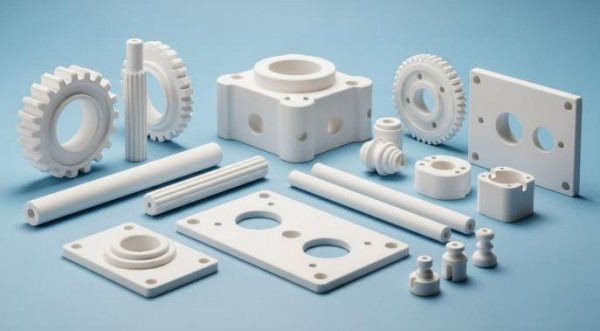
Industry pain points are clear. Yields drop when ceramic parts chip or micro-crack. Particle shedding triggers contamination in semiconductor and optical tools. Porous bodies outgas in vacuum. Stepped rings leak at high temperature or under plasma. Long lead times and fragmented supply chains add cost and risk. Inspection catches defects late. Rework is expensive. Maintenance windows stretch. These issues drive waste that hides in operating budgets.
UPCERA addresses these pain points at the source. The company’s 99.99% alumina ceramic is built on an ultra-high-purity alumina matrix. It achieves atomic-level dense structures through ultra-high-temperature sintering processes. Hardness rivals natural single-crystal corundum. The material stays reliable at ultra-high temperatures in inert and vacuum environments. Its poreless, impermeable form prevents erosion by molten metals, plasma, and corrosive agents. Ultra-low dielectric loss and sub-nanometer surface smoothness support high-precision optical and electronic device fabrication. In short, the material is engineered for uptime, not just performance.
This purity and density change the cost curve. Cleaner material means fewer particles and less rework. Dense bodies resist crack growth and edge chipping during machining and use. Low dielectric loss reduces heating in RF systems. Sub-nanometer smoothness lowers polishing time and improves sealing. In vacuum and inert atmospheres, the parts remain stable under thermal cycling. That stability safeguards tolerances and assembly yields.
UPCERA extends these benefits with precision process control. The company deploys CNC grinding, ultrasonic and diamond tooling, and metrology-first workflows. Tool paths are optimized for ceramic brittleness. Real-time inspection keeps geometry within tight tolerances. The result is consistent fit, finish, and performance across complex geometries. The Alumina Ceramic Stepped Ring is a prime example. With proper edge reinforcement and mirror-grade surfaces, it maintains seal integrity, resists plasma erosion, and avoids particle generation. That stability drives higher throughput and shorter maintenance cycles in process tools.
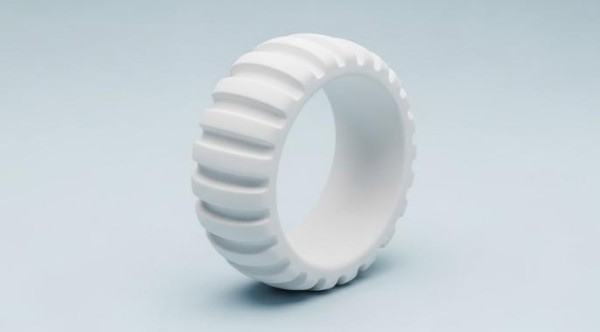
Vertical integration is the second major driver of cost efficiency. UPCERA controls the full chain from powder and blanks to machining and finishing. This reduces batch variability and shortens lead time. It also simplifies change control and documentation for regulated industries. ISO 9001, ISO 14001, ISO 45001, REACH, and RoHS certifications align production with global compliance needs. Customers get material traceability, reliable delivery, and consistent quality – three factors that cut hidden costs throughout equipment life.
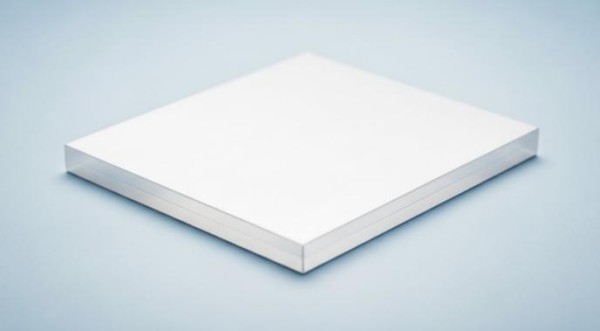
The third driver is application fit. High Purity Ceramics can outperform metals and lower-purity ceramics in extreme environments. Using 99.99% alumina provides biocompatibility and non-magnetic, low-hysteresis behavior. It makes possible deep-space radiation shields, superconducting insulators, and precision quantum fixtures. In lithography, zero porosity and ultra-smooth surfaces limit contamination. In plasma equipment, resilience to ions and harsh chemistries increases maintenance intervals. In optics and RF, ultra-low dielectric loss with stable permittivity boosts signal integrity.
Cost efficiency is supported by:
• Higher purity lowering defect rates and scrap.
• Dense hardness extending component life.
• Precision machining preserving tolerances and finish.
• Stable electrical and thermal traits preventing drift and downtime.
• Strong anti-erosion and corrosion resistance lowering maintenance.
• Vertical integration shortening lead times and reducing supply risk.
• Certifications easing audits and approvals.
These gains build over the lifecycle. Fewer replacements reduce capex and purchasing. Improved yields lighten inspection loads. Stable performance supports faster ramps and consistent run rates. Less unplanned downtime protects revenue and delivery schedules.
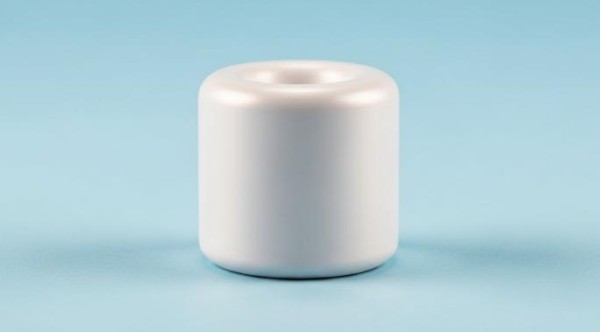
“Customers ask for lower cost without losing reliability,” said a spokesperson at UPCERA. “We focus on the fundamentals. Start with an ultra-high-purity alumina matrix. Densify it to the atomic level. Machine with precision. Verify every step. Then deliver at scale. That is how we translate material science into cost efficiency.”
Alumina Mechanical Parts from UPCERA are now used in semiconductor fabrication equipment, vacuum and plasma systems, optical benches, RF modules, medical and dental devices, automotive and aerospace assemblies, industrial automation, and chemical processing. The Alumina Ceramic Stepped Ring, precision bushings, guides, nozzles, and insulating components show strong field performance. Customers report longer intervals between service, tighter process control, and cleaner chamber conditions.
FAQ
1)Why choose precision ceramics over traditional materials?
Precision ceramics deliver superior high-temperature resistance, corrosion resistance, wear resistance, and insulation. They perform in extreme heat and pressure. They also support tight tolerances and complex designs.
2)Is precision ceramic machining difficult?
Yes. High hardness and brittleness demand specialized equipment and processes. UPCERA uses advanced CNC machining and polishing to ensure accuracy and surface quality.
3)How to choose the right ceramic material?
Consider the work environment and target properties. Temperature, corrosion, mechanical stress, dielectric behavior, and purity all matter. UPCERA provides material selection support and testing data.
4)How long do precision ceramics last?
Service life varies by load and environment. In many cases it spans years. High purity and dense structures generally extend lifetime and reduce replacements.
About UPCERA
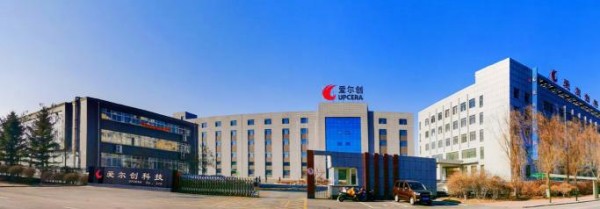
Founded in 2003, UPCERA pioneered zirconia ceramic sleeves for optical communication in China. The company is now a globally recognized supplier of precision structural ceramics. Since 2018, as a wholly owned subsidiary of Sinocera (300285), UPCERA has built a full industry chain from powder to precision processing and sales. R&D roots from Tsinghua University support fast innovation and reliable scale-up. The portfolio covers zirconia, alumina, single-crystal alumina gemstones, silicon nitride, silicon carbide, and more. Products serve semiconductors, aerospace, healthcare, new energy, machinery, chemicals, consumer electronics, and wearables across 100+ countries.
Call to Action
To learn how 99.99% High Purity Ceramics and advanced Alumina Ceramic Machining can cut your total cost, contact UPCERA today. Ask about the Alumina Ceramic Stepped Ring and other Ceramic Mechanical Parts for extreme applications.
Contact
• Email: gtsw@upcera.com / luo.fz@upcera.com
• Phone: 0755-86008635 / +86 15572499372
• Address: 5F, Block B, Tsinghua Information Port, No.1 Songpingshan New East Road, Xili Street, Nanshan District, Shenzhen, Guangdong, China
Company Details
Organization: UPCERA
Contact Person: UPCERA
Website: https://www.proupcera.com/
Email: Send Email
Contact Number: +8615572499372
Address: 5F, Block B, Tsinghua Information Port, No.1 Songpingshan New East Road, Xili Street, Nanshan District, Shenzhen, Guangdong, China
Country: China
Release Id: 09012640009