
Understanding Canine Body Language: What Your Dog Is Really Saying

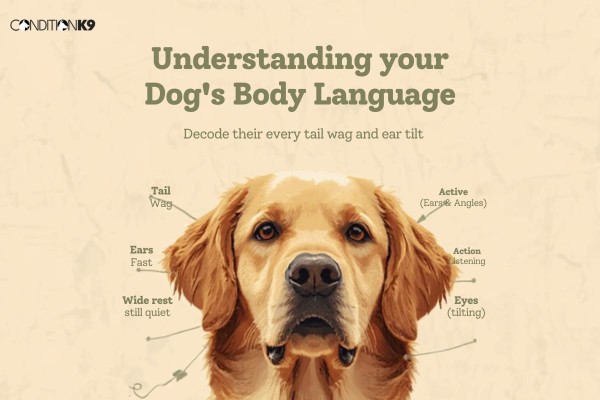
United States, 5th Dec 2025 – Dogs may not speak our language, but they communicate with us constantly. Every tail wag, ear twitch, stretch, yawn, and sideways glance carries meaning. When you learn to interpret these subtle cues, you deepen your bond, prevent misunderstandings, and create a safer, more trusting relationship with your dog.
Here’s how to read the signals your dog uses every day—and what they’re trying to tell you.
1. The Eyes: Windows Into Emotion
A dog’s eyes reveal a surprising amount about their emotional state.
Soft Eyes
Relaxed lids, slow blinking, and a gentle gaze usually signal comfort and contentment. This is the look your dog gives you when they feel safe.
Wide Eyes or “Whale Eye”
When a dog shows the whites of their eyes, it often means fear, anxiety, or uncertainty. This is a warning sign to proceed calmly and avoid pressure.
Direct Staring
A hard, unblinking stare can signal discomfort or even a challenge. Dogs don’t stare at each other the way humans do—so approach cautiously if you see this.
2. The Tail: More Than Just a Wag
Contrary to popular belief, a wagging tail doesn’t always mean a happy dog.
Wide, Loose Wag
This is your classic “I’m happy” wag—soft, sweeping, and relaxed.
High, Stiff Wag
This indicates alertness or tension. The dog is stimulated, but not necessarily friendly.
Tucked Tail
A clear sign of fear, stress, or submission.
Neutral Tail, Gentle Movement
Calm, relaxed, at ease in the environment.
3. Ears: Instant Mood Indicators
Ear position changes instantly based on a dog’s emotional state.
- Forward Ears → alert, focused, interested
- Relaxed, Sideways → calm or tired
- Pinned Back → nervous, unsure, or submissive
- Back but Wagging Body → excited greeting or friendliness
Understanding your dog’s natural ear shape helps you read these changes more accurately.
4. Posture: The Full-Body Message
A dog’s stance can reveal their confidence level and intentions.
Loose, Wiggly Body
Playful, social, relaxed. This is the body language you want during training or greeting.
Rigid, Stiff Posture
Unease, guarding behavior, or a sign the dog may escalate if the trigger continues.
Cowering or Leaning Away
Fear or discomfort with the current situation.
Leaning Forward, Head High
Interest or confidence—sometimes dominance if the body stiffens.
5. Mouth & Facial Expressions
Dogs communicate through subtle changes in the mouth, too.
- Relaxed Mouth, Slightly Open → comfortable and happy
- Panting Without Heat/Exercise → stress or anxiety
- Lip Licking/Yawning in Context → a calming signal (dog is uneasy)
- Showing Teeth or Growling → clear warning to give space
- Smile-like Expression (Submissive Grin) → appeasement gesture, not aggression
6. Vocalizations: More Than Noise
Barks, growls, and whines all have their place.
- Playful Bark → higher pitch, bouncy body language
- Low Growl → warning or discomfort
- Whining → need, excitement, or anxiety
- Howling → communication or loneliness
Always read vocalizations with body language to understand the full picture.
7. The Context Matters
No single behavior defines a dog’s emotion. Tail, ears, posture, eyes, and environment all work together. For example:
- A wagging tail + stiff body = alert, not friendly
- Yawning + lip licking + turning away = calming signals
- Leaning against you + soft eyes = affection and trust
When in doubt, look at the whole dog—not just one part.
Why Understanding Body Language Matters
Learning to interpret your dog’s signals helps you:
- Prevent bites or reactive behaviors
- Improve training results
- Reduce your dog’s stress
- Strengthen bonding and trust
- Ensure safe greetings with strangers and other dogs
When you learn to “speak dog,” you give your pet a better, calmer, more supportive environment.
Your dog is talking to you all the time—through movement, posture, energy, and expression. Once you know how to read the signs, you’ll navigate the world together with far more confidence and connection.
Courtesy of Certified Dog Trainers and On Leash Dog Training. Click here for more on Condition K-9. Follow us on Facebook & Twitter.
This content is not to be considered as expert advice but rather as a general reading pleasure. For proper dog training, consult with an expert Phoenix dog trainer.
Company Details
Organization: Condition K-9 Dog Training
Contact Person: General Manager
Website: https://conditionk-9.com
Email: Send Email
Country: United States
Release Id: 05122538590