
The Role of Early Childhood Education in Building Lifelong Learning Success

United States, 27th Dec 2025 – The foundations of lifelong learning are laid far earlier than many people realize. Long before formal schooling begins, children are already developing the cognitive, emotional, and social skills that shape how they learn for the rest of their lives. Early childhood education plays a critical role in this process, influencing curiosity, confidence, and a child’s relationship with learning itself.
Early Years Shape the Learning Mindset
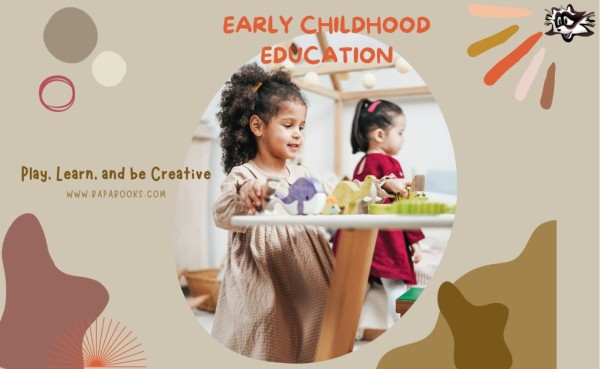
During early childhood, the brain develops at a rapid pace. Experiences during these formative years help shape how children process information, solve problems, and respond to new challenges. Quality early education introduces children to learning in a way that feels safe, engaging, and rewarding—creating a positive association that can last a lifetime.
Children who are encouraged to explore, ask questions, and experiment develop stronger problem-solving skills and a natural curiosity about the world around them.
Social and Emotional Skills Matter as Much as Academics
Early education isn’t just about letters and numbers. It also helps children learn how to communicate, cooperate, and manage emotions. These social and emotional skills are essential for long-term academic success and personal development.
Children who learn to work with others, express themselves, and navigate challenges early on are better prepared to adapt to classroom environments and future learning settings.
Language Development and Early Literacy
Exposure to language-rich environments in early childhood supports vocabulary growth, comprehension, and communication skills. Reading, storytelling, and interactive discussions help children develop early literacy abilities that form the foundation for future reading and writing success.
Early literacy doesn’t mean rushing children into formal instruction—it means nurturing a love for stories, language, and expression.
Encouraging Independence and Confidence
Early learning environments also foster independence. When children are given opportunities to make choices, solve small problems, and complete tasks on their own, they develop confidence in their abilities. This sense of competence encourages children to approach future learning challenges with resilience rather than fear.
A Long-Term Investment in Success
Research consistently shows that children who participate in high-quality early education are more likely to succeed academically, socially, and professionally later in life. Early childhood education doesn’t just prepare children for school—it prepares them for lifelong learning, adaptability, and growth.
By nurturing curiosity and confidence early on, we help children build a strong foundation for everything that follows.
For more information, check out Bapa Books and Bapa’s Puzzle Books, Coloring Books, and Math Books. Follow us on Facebook and X.
This content is for general reading purposes only and should not be considered as medical or professional advice.
Company Details
Organization: Bapa Productions LLC
Contact Person: Office Manager
Website: https://bapabooks.com
Email: Send Email
Country: United States
Release Id: 27122539619