
Recovery After Shoulder Instability Repair: What Patients Can Expect.

United States, 31st Jan 2026 – Shoulder instability can significantly affect daily life, limiting movement, strength, and confidence in the joint confidence. When conservative treatments are no longer effective, shoulder instability repair surgery may be recommended to restore stability and prevent recurrent dislocations. Understanding the recovery process can help patients prepare mentally and physically for a successful outcome.
The Early Recovery Phase (Weeks 1–4)
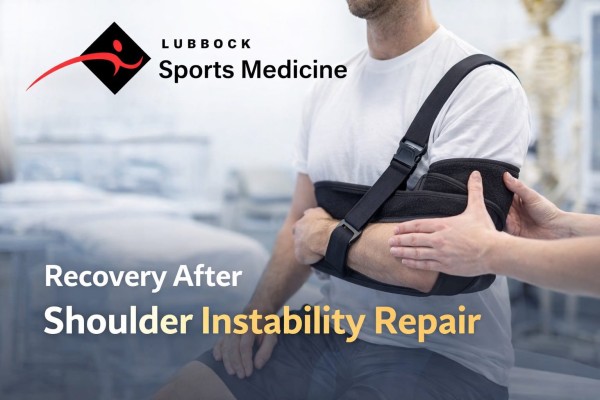
Immediately following shoulder instability repair, the primary focus is on protection and healing. Most patients will wear a sling to limit movement and allow the repaired tissues to heal properly. Pain, swelling, and stiffness are normal during this stage and are typically managed with prescribed medications, ice therapy, and rest.
During the first few weeks, movement is carefully restricted. Gentle, guided physical therapy may begin early, focusing on passive range-of-motion exercises that help prevent stiffness without stressing the surgical repair. Patients are encouraged to follow post-operative instructions closely, as early overuse can compromise healing.
Building Mobility and Strength (Weeks 4–12)
As healing progresses, physical therapy becomes a central part of recovery. The sling is gradually discontinued, and therapy shifts toward active range-of-motion exercises, allowing patients to begin moving the shoulder under controlled conditions.
Strengthening exercises are introduced slowly, targeting the rotator cuff and surrounding shoulder muscles. These muscles play a crucial role in stabilizing the joint and preventing future instability. Progress during this phase varies from patient to patient, depending on factors such as age, activity level, and the severity of the original instability.
Patience is key. While everyday activities often become easier during this stage, patients are typically advised to avoid heavy lifting, overhead motions, or sudden movements that could stress the repair.
Advanced Strengthening and Functional Recovery (Months 3–6)
By the third month, most patients experience noticeable improvements in strength, stability, and comfort. Physical therapy focuses on advanced strengthening, coordination, and endurance, helping the shoulder function smoothly during daily tasks.
For active individuals or athletes, this phase includes sport- or job-specific exercises designed to safely prepare the shoulder for higher demands. Returning to activities such as swimming, weightlifting, or contact sports is a gradual process and should only occur when cleared by the surgeon.
Long-Term Outcomes and Return to Activity
Full recovery from shoulder instability repair can take six months or longer, depending on the procedure performed and individual healing response. The goal of surgery is not only to relieve pain but also to restore confidence and stability in the shoulder, reducing the risk of future dislocations.
Most patients are able to return to their normal activities with improved strength and function. Long-term success depends heavily on completing the full course of rehabilitation and maintaining shoulder strength after formal therapy ends.
Tips for a Successful Recovery
- Follow all post-operative and physical therapy instructions
- Attend scheduled follow-up appointments
- Avoid rushing back into strenuous activities
- Communicate openly with your care team about pain or concerns
Expert Care in Lubbock
Dr. Kevin Crawford provides comprehensive care for patients with shoulder instability, offering both surgical expertise and individualized recovery guidance. Through careful evaluation, precise surgical techniques, and coordinated rehabilitation planning, patients receive the support they need for a safe and effective recovery.
If shoulder instability is affecting your quality of life, a consultation with an experienced orthopedic surgeon can help determine the best path forward.
Follow us on Facebook and Twitter, by Sports Doctor Lubbock, Rotator Cuff Repair, and Shoulder Instability
This article is for general purposes only and should not be considered medical advice. If you have any medical issues or questions, consult your physician.
Company Details
Organization: Dr. Kevin Crawford, Orthopedic Surgeon
Contact Person: Office Manager
Website: https://lubbocksportsmed.com/lubbock-sports-doctors/dr-kevin-crawford/
Email: Send Email
Country: United States
Release Id: 31012640814