
Painter Tips for Long-Lasting Paint Results

Professional painting insights reveal why long-lasting results depend on far more than just applying paint. Proper surface preparation, correct paint and primer selection, skilled application techniques, and attention to environmental conditions all play critical roles in durability and appearance. Skipping steps like cleaning, repairs, sanding, or priming often leads to peeling, fading, and uneven finishes.Experienced painters understand how interior and exterior surfaces differ, how local climate affects performance, and how timing and maintenance extend paint life. Hiring professionals provides lasting value by preventing underlying issues, ensuring efficient execution, and reducing the need for frequent repainting. A well-executed paint job protects surfaces, enhances property value, and delivers consistent, long-term results.
Wilmington, Delaware, United States, 6th Feb 2026 – Painter insights can make the difference between a finish that lasts for years and one that starts peeling or fading far too soon. A quality paint job does more than improve how a home looks. It protects surfaces, increases property value, and extends the life of walls, siding, and trim. Homeowners often underestimate how much preparation, product selection, and technique affect long term results. Learning from a professional painter Wilmington residents trust helps clarify why durability and a clean, consistent finish start long before the first coat is applied.
This article breaks down expert approved painting practices that support long lasting performance and smooth, reliable results. From surface preparation to product choice and environmental factors, each step plays a role in how well paint holds up over time. Whether you are planning an upcoming project or simply want to recognize quality workmanship, these insights will help you make informed decisions and protect your investment.

The Importance of Proper Surface Preparation
Long-lasting paint always begins with proper surface preparation. Even the highest-quality paint will fail if applied to dirty, damaged, or unstable surfaces. Preparation removes contaminants such as dust, grease, mildew, and loose paint that prevent proper adhesion. Without this step, peeling and bubbling can occur within months.
Professionals start by thoroughly cleaning surfaces using appropriate methods for the material involved. Wood, drywall, brick, and siding each require specific preparation techniques. Small cracks, nail holes, and surface imperfections must also be repaired to create a smooth foundation. Skipping these repairs leads to uneven finishes that become more noticeable over time.
Preparation also includes sanding glossy surfaces to create a profile the paint can bond to. This step is often overlooked but is essential for durability. When surfaces are properly prepared, paint adheres evenly, cures correctly, and maintains its appearance far longer.
Choosing the Right Paint for Each Surface
Selecting the right paint is just as important as applying it correctly. Different surfaces require different formulations to handle wear, moisture, and exposure to sunlight. Interior walls, exterior siding, trim, and ceilings all perform best with paints designed for their specific conditions.
High-quality paints contain better pigments and binders, which improve color retention and resistance to fading. While budget paints may seem cost-effective initially, they often require more frequent repainting. Professionals consider factors such as finish type, durability, and washability when choosing products.
Environmental exposure also matters. Areas with high humidity or temperature fluctuations require paints that resist cracking and moisture intrusion. A knowledgeable painter wilmington homeowners rely on understands how local climate conditions influence product selection. Choosing the correct paint ensures consistent coverage and extends the life of the finish.
Why Primer Plays a Critical Role
Primer is a crucial step that many homeowners overlook, yet it significantly impacts paint longevity. It creates a stable base that improves adhesion, blocks stains, and ensures uniform color coverage. Without primer, paint may soak unevenly into surfaces, leading to patchy results.
Different primers serve different purposes. Some are designed to seal porous materials, while others block water stains or prevent tannin bleed from wood. Matching the primer to the surface and paint type is essential for optimal performance.
Primer also reduces the number of finish coats required, which helps maintain consistent thickness. When applied correctly, it strengthens the bond between surface and paint, reducing peeling and cracking. This foundational layer is a key reason professional results outlast DIY applications.
The Impact of Professional Application Techniques
Application technique directly affects how paint cures and performs over time. Professionals use specific methods to ensure even coverage, proper thickness, and clean lines. Applying paint too thick can cause sagging, while thin coats may lead to premature wear.
Experienced painters understand when to brush, roll, or spray depending on the surface and paint type. Each method serves a purpose, and improper use can compromise durability. Professionals also maintain consistent pressure and overlap to avoid streaks and lap marks.
Drying time between coats is another critical factor. Rushing the process can trap moisture, weakening the finish. A trained painter wilmington property owners trust follows manufacturer guidelines to ensure each layer cures properly. These techniques result in smoother finishes that last significantly longer.
Environmental Conditions and Timing Matter
Paint performance is heavily influenced by environmental conditions during application. Temperature, humidity, and airflow all affect drying and curing. Painting in conditions outside recommended ranges can lead to adhesion failure or uneven finishes.
Exterior projects are especially sensitive to weather changes. Rain, direct sunlight, or sudden temperature drops can compromise results. Professionals carefully plan projects to avoid unfavorable conditions and ensure proper curing.
Interior environments also matter. High humidity can slow drying, while poor ventilation may cause lingering odors and uneven curing. Proper timing ensures the paint sets correctly, strengthening durability and appearance. Understanding these factors helps explain why professional scheduling plays a key role in long-lasting results.
Maintenance Practices That Extend Paint Life
Even the best paint job benefits from proper maintenance. Routine cleaning removes dirt and pollutants that gradually break down paint surfaces. Using gentle cleaning methods helps preserve the finish without causing abrasion.
Addressing minor issues early prevents larger problems later. Small chips or cracks allow moisture intrusion, which can lead to peeling. Prompt touch-ups protect the underlying surface and extend the paint’s lifespan.
Interior spaces benefit from careful handling as well. Avoid harsh chemicals and excessive scrubbing. With basic maintenance, professionally applied paint retains its appearance and protective qualities for many years.
Interior vs. Exterior Painting Considerations
Interior and exterior painting require different approaches due to their environments. Interior surfaces prioritize aesthetics, washability, and low-odor products. Durability still matters, especially in high-traffic areas like hallways and kitchens.
Exterior painting focuses heavily on protection. Surfaces must withstand sun exposure, moisture, wind, and temperature changes. Paint selection and preparation are more intensive to combat these elements.
A skilled painter wilmington residents depend on understands these differences and adjusts techniques accordingly. Treating interior and exterior projects with the same approach often leads to premature wear. Tailoring methods ensures each space receives the protection it needs.
The Value of Hiring Experienced Professionals
Hiring experienced professionals offers long-term value beyond appearance. Skilled painters identify underlying issues such as moisture damage or surface deterioration before applying paint. Addressing these problems early prevents costly repairs later.
Professionals also work efficiently, minimizing disruption while maintaining quality standards. Their experience ensures accurate estimates, proper materials, and consistent results. Safety practices are another advantage, particularly for multi-story or exterior projects.
When you invest in professional services, you’re paying for expertise, reliability, and durability. Quality workmanship reduces the frequency of repainting, saving time and money over the life of your property.
Conclusion
Achieving long-lasting painting results requires more than simply applying color to a surface. Proper preparation, product selection, skilled application, and environmental awareness all contribute to durability and performance. Understanding these professional techniques helps homeowners recognize quality workmanship and make informed decisions.
Alvarez Painting LLC proudly serves Wilmington with reliable, detail-focused painting services designed to protect and enhance your property. If you’re looking for guidance or professional support from a trusted painter wilmington homeowners recommend, expert help makes all the difference. For more information or to schedule a consultation, contact Alvarez Painting LLC in Wilmington at (302) 588-2475. A well-executed paint job today ensures lasting beauty for years to come.
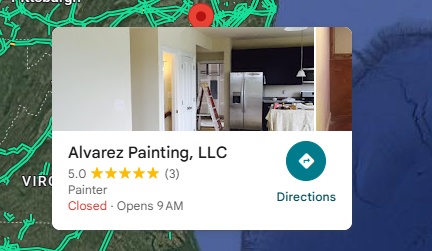
Alvarez Painting LLC
113 Stanton Road Wilmington, DE 19804 United States
+13022900155
https://alvarezpainting1llc.com/
Company Details
Organization: Alvarez Painting LLC
Contact Person: Alvarez Painting LLC
Website: https://alvarezpainting1llc.com/
Email: Send Email
Contact Number: +13022900155
Address: 113 Stanton Road Wilmington, DE 19804 United States
Address 2: NA
City: Wilmington
State: Delaware
Country: United States
Release Id: 06022641080