
John Spencer Ellis Urges Men Over 40 to Shift from Sports Performance Training to Longevity Protocols

Veteran coach explains why the fitness approach that built men in their 20s and 30s breaks them down after 40—and what to do instead
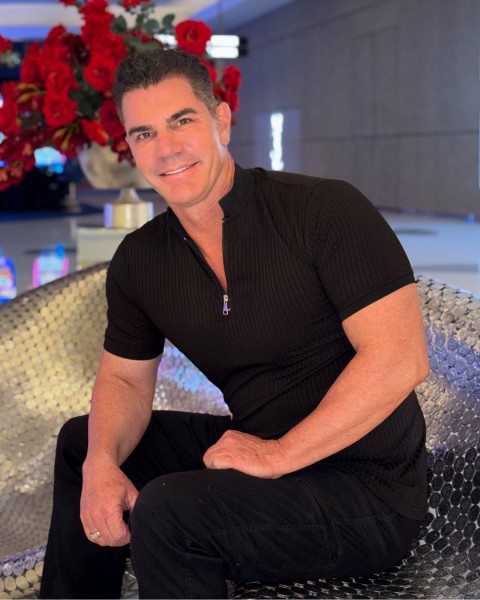
United States, 14th Feb 2026 — John Spencer Ellis, an internationally recognized coach, consultant, and wellness educator, is challenging men over 40 to fundamentally rethink their approach to fitness and health—shifting from sports performance models designed for younger bodies to longevity protocols that preserve function, mobility, and appearance for decades to come.
The counterintuitive truth, Ellis explains, is that this shift doesn’t sacrifice performance. It actually enhances it by optimizing the body at the cellular level rather than simply pushing harder on declining systems.
“Men over 40 are still training like they’re 28,” said Ellis. “High intensity, high volume, performance metrics as the primary measure of success. That approach is breaking them down faster than it’s building them up. The math has changed, but their protocols haven’t.”
The Performance Trap
Ellis identifies a common pattern among men who were athletic in their younger years.
They continue chasing performance metrics—heavier weights, faster times, higher intensity—without recognizing that their bodies no longer respond the same way. Recovery takes longer. Injuries accumulate. Inflammation becomes chronic. Joints deteriorate. Yet they keep pushing, believing that backing off means giving up.
The result is accelerated aging disguised as dedication.
“These men are proud of how hard they train,” Ellis observed. “But they’re not seeing the connection between their punishing workouts and their chronic pain, persistent fatigue, and declining appearance. The training meant to keep them young is actually aging them faster.”
Sports performance protocols prioritize output: strength numbers, speed metrics, competitive results. Longevity protocols prioritize sustainable function: joint health, inflammation management, hormonal balance, cellular repair, and the preservation of physical capability across decades rather than seasons.
The Longevity Framework
Ellis advocates for a fundamental reorientation of training philosophy after 40.
Mobility preservation becomes primary. The ability to move freely through full ranges of motion determines quality of life more than any strength metric. Men who maintain mobility remain capable and independent. Men who lose it become limited regardless of how strong they once were.
Inflammation reduction shifts from afterthought to central focus. Chronic inflammation drives virtually every age-related disease and accelerates visible aging. Training that constantly elevates inflammation without adequate recovery creates cumulative damage that manifests as joint deterioration, cardiovascular strain, and compromised immune function.
Recovery capacity dictates training volume. Younger bodies recover quickly, allowing high frequency and intensity. After 40, recovery slows significantly. Ignoring this reality doesn’t demonstrate toughness—it demonstrates poor strategy. Training must match actual recovery capacity, not remembered capacity from decades prior.
Aesthetic preservation requires strategic approach. The lean, muscular appearance men want depends on hormonal health, inflammation levels, and body composition rather than simply training volume. Overtraining after 40 often produces the opposite of intended results—elevated cortisol, suppressed testosterone, stubborn fat retention, and the gaunt, worn appearance of chronic stress.
The Performance Paradox
Here’s what surprises most men: longevity protocols often improve athletic performance rather than diminishing it.
When the body functions optimally at the cellular level—with managed inflammation, balanced hormones, healthy mitochondria, and adequate recovery—performance capacity actually increases. Men find they’re stronger, faster, and more capable when they stop overtraining and start training intelligently.
Professional athletes have recognized this for years. Teams now employ recovery specialists, monitor inflammatory markers, and prioritize longevity of careers over short-term performance spikes. The sports world has evolved beyond “more is better.” Many recreational athletes over 40 haven’t caught up.
“I work with men who reduced their training volume by 40% and saw their performance improve,” said Ellis. “Their bodies finally had resources for adaptation instead of just survival. They got stronger by training less—because they were training smarter.”
The Comprehensive Approach
Ellis emphasizes that training modification alone isn’t sufficient. True longevity optimization spans multiple domains.
Nutritional strategies must support cellular health and inflammation management rather than simply fueling performance. Sleep optimization becomes essential for hormonal production and tissue repair. Stress management protects the recovery capacity that training depends on. Regular health monitoring provides data for informed adjustments.
“Longevity isn’t one thing,” Ellis explained. “It’s an integrated approach where training, nutrition, sleep, stress, and lifestyle all align toward the same goal: maintaining function, health, and appearance for as long as possible.”
The aesthetic benefits compound over time. Men following longevity protocols at 45 look dramatically different at 55 than men who continued punishing performance-focused training. Less chronic inflammation means healthier skin and better body composition. Preserved mobility means upright posture and confident movement. Balanced hormones mean maintained muscle mass and vitality.
Longevity Coaching with John Spencer Ellis
Ellis offers comprehensive longevity coaching for men over 40 ready to make this transition.
His approach evaluates each client’s current training patterns, health status, and goals, then develops customized protocols that prioritize sustainable function over short-term performance. The coaching addresses training modification, recovery optimization, inflammation management, and the lifestyle factors that determine long-term outcomes.
Ellis brings extensive credentials to this work: two bachelor’s degrees, an MBA, a doctorate in education, and fifteen professional certifications spanning fitness, nutrition, and rehabilitation. He has been inducted into the Personal Trainer Hall of Fame and has collaborated with leading health experts including Dr. Oz, Dr. Deepak Chopra, and Dr. Andrew Weil.
“The goal isn’t to stop being athletic,” said Ellis. “It’s to remain athletic for decades longer by training in alignment with your body’s current reality rather than your memories of what it used to handle.”
Men ready to shift from performance degradation to longevity optimization can learn more at https://johnspencerellis.com.
About John Spencer Ellis
John Spencer Ellis is a coach, consultant, and educator specializing in men’s longevity, health optimization, and sustainable fitness. Learn more at JohnSpencerEllis.com and DietGuru.com.
Contact: John Spencer Ellis
Email: johnspencerellis@gmail.com
Website: https://johnspencerellis.com
Company Details
Organization: John Spencer Ellis
Contact Person: John Spencer Ellis
Website: http://www.johnspencerellis.com/
Email: Send Email
Country: United States
Release Id: 14022641429