
How Florida’s Sudden Storms Can Shorten Your Roof’s Lifespan

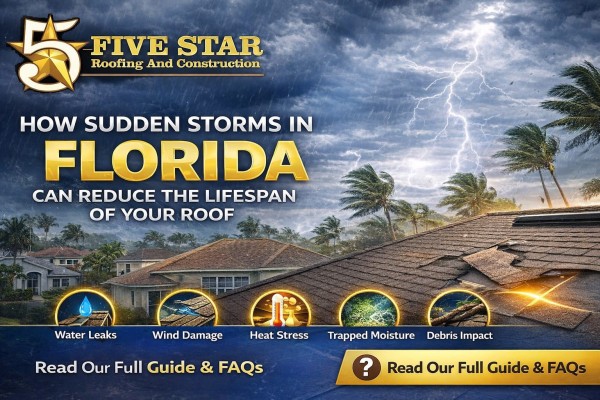
United States, 9th Apr 2026 – Florida’s weather is known for its sunshine—but just as quickly, intense storms can develop with heavy rain, strong winds, and rapid temperature changes. These sudden weather shifts can put constant stress on your roof, gradually reducing its lifespan over time.
For homeowners across Florida, understanding how these storms affect your roof is key to protecting your home and avoiding expensive repairs.
The Impact of Florida’s Rapid Weather Changes
Unlike areas with steady climates, Florida experiences frequent and unpredictable weather patterns. A clear, hot day can quickly turn into a powerful storm, exposing your roof to extreme conditions within minutes.
This repeated cycle of heat, moisture, and wind slowly wears down roofing materials and weakens the overall structure.
Heavy Rain and Water Intrusion
Florida storms often bring intense rainfall in short periods of time. When your roof is hit with sudden downpours, any small weakness can allow water to seep beneath the surface.
This can lead to:
- Hidden leaks under shingles
- Damage to the roof decking
- Mold and mildew growth
Even minor water intrusion can turn into major damage if not addressed quickly.
Wind Damage and Shingle Displacement
High winds are a major contributor to roof damage during Florida storms. Strong gusts can lift, loosen, or remove shingles, leaving your roof vulnerable to further issues.
Common signs of wind damage include:
- Missing or curled shingles
- Damaged flashing around vents and chimneys
- Exposed areas where water can enter
Once your roof’s protective barrier is compromised, future storms can cause even more severe damage.
Thermal Shock from Sudden Temperature Drops
Florida roofs are often exposed to intense heat during the day, followed by rapid cooling when storms roll in. This sudden temperature change causes materials to expand and contract quickly.
Over time, this can:
- Create cracks in roofing materials
- Weaken seals and adhesives
- Reduce the overall durability of your roof
This process, known as thermal shock, is a major factor in premature roof aging.
Humidity and Moisture Retention
After a storm passes, Florida’s high humidity continues to impact your roof. Moisture can become trapped in roofing layers or attic spaces, especially if ventilation is inadequate.
This can result in:
- Mold and algae growth
- Breakdown of roofing materials
- Long-term structural issues
Proper ventilation is essential for preventing moisture-related damage.
Debris and Impact Damage
Storms often carry debris such as tree branches and other objects that can strike your roof. Even if the damage isn’t immediately visible, it can weaken the roofing system and lead to problems later.
Small impacts can develop into leaks or structural issues if left untreated.
How to Protect Your Roof from Storm Damage
While Florida’s weather can be unpredictable, there are steps you can take to protect your roof and extend its lifespan:
- Schedule routine roof inspections
- Keep gutters and drainage systems clean
- Address minor damage before it worsens
- Ensure proper attic ventilation
- Work with a trusted roofing professional
Preventative maintenance can make a significant difference in how well your roof holds up over time.
Built for Florida: Why Quality Roofing Matters
Not all roofing systems are designed to withstand Florida’s harsh conditions. Choosing high-quality materials and experienced installation ensures your roof is better equipped to handle sudden storms.
A well-built roof not only protects your home but also provides long-term peace of mind.
FAQs: Florida Storms and Roof Lifespan
Do sudden storms really affect how long a roof lasts?
Yes. Frequent exposure to heavy rain, wind, and temperature changes can accelerate wear and shorten a roof’s lifespan.
Can storm damage happen without visible signs?
Absolutely. Many issues, such as loosened shingles or small cracks, may not be visible from the ground but can lead to leaks later.
What should I check after a storm?
Look for missing shingles, debris on the roof, clogged gutters, and any signs of water damage inside your home.
How often should I have my roof inspected in Florida?
At least once a year, and after any major storm to catch hidden damage early.
What helps a roof last longer in Florida’s climate?
Regular maintenance, proper installation, quality materials, and good ventilation all contribute to a longer-lasting roof.
Five Star Roofing & Construction is your experienced Best Roofers in Tampa, offering Free Roof Inspections and Florida Roofing Contractors throughout Tampa Bay, Pinellas County, Clearwater, Tampa, and Orlando for over 20 years. We are a Licensed, Bonded, and Insured Florida Contractor and happily offer Free Roof Inspections and Roof Assessments.
This content is for general reading purposes only and is not intended as legal or professional advice.
Company Details
Organization: Five Star Roofing and Construction
Contact Person: Office Manager
Website: https://fivestarroofingconstruction.com/
Email: Send Email
Country: United States
Release Id: 09042643869