
Hexydog Advances Multi-Chain Payment Infrastructure for Pet Care Service Integration

Hexydog completed multi-chain payment infrastructure deployment across Ethereum, BSC, Polygon, and Solana networks. The platform plans merchant integration in the pet care industry following presale completion and exchange listings, positioning as a utility-focused altcoin rather than purely speculative asset.
United States, 27th Jan 2026 – Hexydog (HEXY) completed deployment of multi-chain payment infrastructure across Ethereum, Binance Smart Chain, Polygon, and Solana networks, establishing blockchain payment capabilities planned for merchant integration in the pet care services sector.
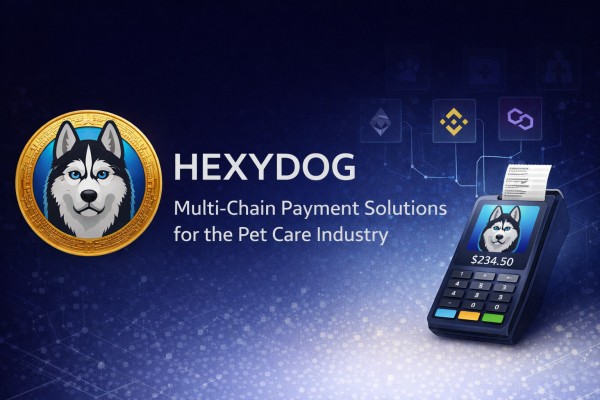
The platform will provide merchants flexibility to process payments based on transaction requirements. High-value veterinary services require different networks than frequent small purchases at pet supply stores. This technical milestone addresses varied payment processing needs across the $140 billion pet care industry, where traditional systems charge merchants 2-3% in processing fees.
Multi-chain infrastructure aims to reduce these costs while enabling features conventional processors cannot match. Automated subscription management could work more efficiently on blockchain rails. Charitable donation tracking would become transparent and verifiable. The project focuses on practical utility rather than speculative token mechanics.
Technical Foundation and Market Positioning
Third-party security audits from established blockchain firms verified each network before integration. The infrastructure underwent independent security verification addressing concerns about smart contract reliability and transaction safety.
Each blockchain serves specific planned use cases. Ethereum Layer 2 networks would handle subscription payments where security and institutional credibility matter most. Solana could process high-frequency microtransactions where speed trumps other considerations. Polygon balances cost against settlement speed for everyday mid-range purchases.
Veterinary clinics could potentially accept cryptocurrency for consultations and procedures without requiring blockchain expertise. Grooming services might implement automated recurring payments. Pet supply retailers would process online orders with lower fees than credit cards while maintaining familiar checkout experiences.
Stablecoin integration addresses volatility concerns that previously stopped retail cryptocurrency adoption. Merchants could accept crypto payments while receiving immediate fiat conversion. This removes the main objection businesses raise when considering cryptocurrency payment systems.
The charitable giving mechanism would let customers allocate payment portions to animal welfare organizations. Blockchain verification ensures donations reach intended recipients. Pet owners typically care deeply about animal welfare, making this feature particularly relevant.
Following the presale phase, Hexydog plans exchange listings targeting entry as a utility-focused altcoin rather than a purely speculative asset. The project’s multi-chain infrastructure and real-world payment use cases differentiate it from presale projects lacking functional products at launch.
Exchange listing strategy focuses on platforms supporting legitimate utility tokens rather than venues primarily serving speculative trading. The timing aims to coincide with broader altcoin market strength, positioning Hexydog to benefit from increasing interest in projects demonstrating actual use cases beyond token trading.
Development Roadmap and Merchant Integration
The payment interface will resemble traditional point-of-sale systems merchants already understand. Integration plugins planned for WooCommerce, Shopify, and Magento would enable adoption without custom development requirements.
Merchant onboarding is scheduled to begin following presale completion and initial exchange listings. The company plans pilot partnerships in select markets before broader expansion. Working with pet industry trade associations, Hexydog aims to educate potential merchant partners about cryptocurrency payment advantages.
Initial outreach targets online retailers and subscription services where digital infrastructure already exists. High-fee regions, areas with limited banking access, and markets serving international customers represent priority segments likely to recognize immediate value from alternative payment rails.
This approach represents utility-focused cryptocurrency development within an established service industry. The platform addresses existing payment processing challenges rather than creating new markets around speculative tokens. Functional infrastructure takes priority over token price speculation.
Most crypto presale projects emphasize token distribution and trading potential. Hexydog’s development prioritizes building payment systems merchants can actually implement. The multi-chain deployment provides technical infrastructure supporting real transactions rather than promises about eventual utility. This distinction matters when evaluating projects based on practical application versus speculative positioning.
Conclusion
Multi-chain infrastructure deployment establishes technical foundations for blockchain integration with traditional service industries. The focus remains on solving actual merchant problems through lower fees, faster settlement, and additional capabilities unavailable through conventional processing.
The pet care industry provides realistic testing conditions for blockchain payment adoption. High transaction volumes, diverse payment requirements, and tech-comfortable customer demographics create environments where alternative infrastructure might gain traction. Results here could inform approaches for broader service industry integration.
Post-presale exchange listings will test whether utility-focused positioning resonates during altcoin market cycles. Projects demonstrating functional use cases may attract different investor profiles than purely speculative launches. Hexydog’s merchant payment infrastructure provides measurable adoption metrics beyond trading volume and holder counts.
Success depends on executing merchant integration following exchange availability. Technical capabilities exist, but converting infrastructure into working merchant relationships requires sustained business development beyond token launch. The distinction between having technology and achieving adoption determines whether utility-focused projects deliver on their positioning.
Visit Hexydog to explore the presale opportunity
Company Details
Organization: CoinVira
Contact Person: CoinVira Editorial Team
Website: https://coinvira.com/
Email: Send Email
Country: United States
Release Id: 27012640631