
ABA Therapy Offers Structured Approaches in Behavior Care

ABA Therapy uses structured, evidence-based strategies—observation, reinforcement, skill-building, and emotional regulation—to improve behavior, communication, social skills, independence, and daily routines, promoting lasting personal growth and enhanced quality of life.
Mason, OH, United States, 9th Dec 2025 – Applied Behavior Analysis, commonly referred to as ABA Therapy, provides a structured and evidence-based approach to supporting individuals with behavioral challenges. By carefully observing actions, identifying triggers, and implementing systematic interventions, ABA Therapy helps guide positive behavior development in a consistent and measurable way. This approach emphasizes reinforcement, repetition, and gradual skill-building to promote lasting changes in social, communication, and adaptive behaviors. Through individualized programs, children and adults can learn new strategies for coping, interacting, and responding to their environment more effectively. ABA Therapy not only fosters personal growth but also enhances overall quality of life, enabling participants to engage more confidently and successfully in daily routines and social settings.
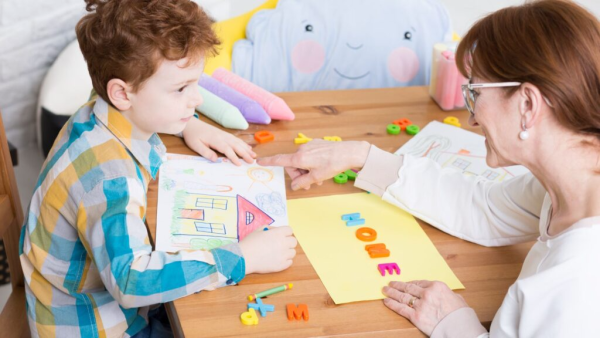
Behavioral Observation Methods
ABA Therapy begins with careful behavioral observation to identify patterns, triggers, and responses in various environments. Professionals systematically record actions, noting frequency, intensity, and context, creating a clear understanding of behavioral tendencies. These observations form the foundation for personalized intervention plans, allowing strategies to target specific needs effectively. Continuous monitoring ensures adjustments can be made as progress occurs, supporting consistent growth. By understanding the nuances of behavior, ABA Therapy empowers individuals to replace harmful or disruptive actions with productive alternatives, fostering greater independence, self-awareness, and adaptability in social and personal contexts while maintaining a structured, measurable approach.

Reinforcement Techniques
ABA Therapy relies heavily on reinforcement to encourage positive behaviors and reduce undesired actions. Positive reinforcement involves rewarding desired behaviors with praise, tokens, or privileges, motivating consistent repetition. Negative reinforcement may remove uncomfortable stimuli to strengthen adaptive responses. Reinforcement schedules are carefully planned to balance immediacy, frequency, and intensity, ensuring optimal learning outcomes. Over time, individuals internalize these behaviors, gradually requiring less external prompting. The strategic application of reinforcement not only builds competence but also fosters confidence, self-esteem, and motivation. Through reinforcement, ABA Therapy creates a structured environment where behavioral growth is measurable, sustainable, and aligned with individual goals.
Skill Acquisition Programs
Structured skill acquisition is a core component of ABA Therapy, focusing on teaching new abilities systematically. These programs break complex tasks into smaller, achievable steps, allowing learners to master skills progressively. Targeted exercises cover essential areas such as communication, social interaction, academic tasks, and daily living activities. Continuous assessment ensures each step meets the individual’s learning pace and style. By reinforcing each success and addressing difficulties immediately, ABA Therapy encourages steady progress. Skill acquisition programs cultivate independence, problem-solving abilities, and self-confidence, equipping individuals with practical tools for daily life. This structured approach ensures each skill is retained and generalized across settings.
Social Interaction Growth
ABA Therapy emphasizes enhancing social interactions, helping individuals engage more effectively with peers, family, and community members. Techniques focus on understanding social cues, turn-taking, sharing, and appropriate responses to various situations. Role-playing, modeling, and reinforcement strategies encourage meaningful participation in group settings. Gradual exposure to social contexts allows individuals to practice and generalize these skills in natural environments. By fostering empathy, cooperation, and communication, ABA Therapy helps individuals build strong, positive relationships. Social interaction growth enhances confidence, reduces frustration, and improves overall quality of life, ensuring that behavioral improvements are not isolated but integrated into everyday experiences.
Communication Development
Developing effective communication is a fundamental goal of ABA Therapy, covering verbal, nonverbal, and functional communication skills. Individuals learn to express needs, preferences, and emotions clearly while interpreting the communication of others. Structured techniques include modeling, prompting, and reinforcement to encourage accurate and consistent expression. These methods also address challenges such as limited speech, delayed language, or difficulties with social communication. Progress is continuously monitored and adapted to meet individual needs. Effective communication fosters social inclusion, emotional well-being, and independence, allowing individuals to engage meaningfully with their environment. ABA Therapy provides a reliable framework for lifelong communicative growth.
Daily Routine Support
ABA Therapy provides structured guidance to improve independence in daily routines, including personal care, organization, and time management. By breaking tasks into manageable steps and reinforcing completion, individuals gain confidence and consistency in performing everyday activities. Visual aids, prompts, and repetition support learning, while monitoring ensures strategies are effective and adaptable. Routine mastery reduces reliance on caregivers, promotes autonomy, and minimizes frustration. Through consistent practice, ABA Therapy enables individuals to integrate learned behaviors into daily life seamlessly. Support for daily routines strengthens independence, encourages self-sufficiency, and creates a sense of accomplishment, providing a foundation for long-term behavioral growth.
Step-by-Step Task Guidance
ABA Therapy emphasizes breaking daily routines into small, manageable steps. By focusing on one task at a time, individuals can learn skills gradually without feeling overwhelmed. This structured approach helps ensure each step is mastered before moving forward. Clear instructions and consistent practice allow learners to gain competence, confidence, and independence. Gradual task progression ensures that everyday activities are completed efficiently and reliably, supporting long-term behavioral growth.
Reinforcement of Completion
Reinforcement is a core element in ABA Therapy for daily routines. Positive reinforcement encourages individuals to complete tasks consistently, promoting motivation and engagement. Rewards, praise, or privileges are provided after successful completion of steps, helping reinforce desired behaviors. This approach not only strengthens learning but also fosters self-esteem and pride in accomplishments. Through repetition and reinforcement, routine mastery becomes a natural part of daily life, creating sustainable behavioral improvements.
Use of Visual Aids and Prompts
Visual supports and prompts enhance learning in daily routines. Picture schedules, charts, and step-by-step instructions provide clear guidance for individuals to follow independently. Prompts, such as verbal or physical cues, assist learners when needed, gradually fading as mastery is achieved.
Monitoring and Adaptation
Continuous monitoring is essential to ensure that daily routine strategies are effective. ABA professionals observe progress, adjust interventions, and provide support where challenges arise. This adaptive approach allows programs to meet each individual’s evolving needs and learning pace. Monitoring ensures that tasks remain achievable and reinforces skill retention.
Promoting Independence and Self-Sufficiency
Daily routine support in ABA Therapy encourages autonomy and reduces reliance on caregivers. As individuals master personal care, organization, and time management, they gain confidence in managing their own needs. This self-sufficiency not only improves functional independence but also enhances overall quality of life.
Emotional Regulation Strategies
Emotional regulation is a vital aspect of ABA Therapy, helping individuals manage stress, frustration, and other intense emotions. Structured interventions teach strategies such as self-calming techniques, recognizing triggers, and responding appropriately in challenging situations. Through repetition and reinforcement, these skills become internalized, reducing impulsive or disruptive behaviors. Emotional regulation supports social interactions, learning, and overall well-being by promoting resilience and adaptability. ABA Therapy provides consistent guidance, enabling individuals to recognize, express, and control emotions in a safe and structured environment. These strategies cultivate self-awareness, confidence, and stability, enhancing both personal growth and everyday functioning.
Conclusion
ABA Therapy Offers Structured Approaches in Behavior Care provides a consistent, evidence-based method to help individuals develop positive behaviors, communication skills, and social abilities. By using structured interventions, reinforcement, and personalized programs, ABA Therapy promotes growth, independence, and improved quality of life. Individuals and families benefit from measurable progress and a supportive, structured environment that encourages lasting change. For professional guidance and tailored ABA Therapy programs, contact Positive Solutions Behavior Group LLC in Mason, OH. Call 859-282-0400 to schedule an appointment or learn more about our services. Our team is dedicated to helping clients achieve meaningful behavioral growth and success.
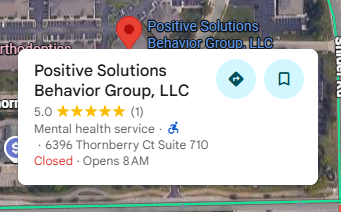
Positive Solutions Behavior Group LLC
6396 Thornberry Court, Suite 710, Mason, OH 45040
859-282-0400
https://positivesolutionsbehaviorgroup.com/
Company Details
Organization: Positive Solutions Behavior Group LLC (Mason)
Contact Person: Positive Solutions Behavior Group LLC (Mason)
Website: https://positivesolutionsbehaviorgroup.com/
Email: Send Email
Contact Number: +18592820400
Address: 6396 Thornberry Ct Suite 710, Mason, OH 45040
City: Mason
State: OH
Country: United States
Release Id: 09122538764