
ABA Therapy Enhances Communication Skills in Young Minds

ABA Therapy enhances young children’s communication by developing verbal and nonverbal skills through structured, individualized approaches, positive reinforcement, and social interaction, fostering confidence, empathy, and long-term success.
Beavercreek, OH, United States, 9th Dec 2025 – ABA Therapy plays a transformative role in fostering communication skills among young children, providing structured and individualized approaches to support their growth. Through consistent behavioral interventions, ABA Therapy helps children recognize, understand, and respond to social cues, improving both verbal and nonverbal communication. By breaking down complex interactions into manageable steps, this method encourages children to express their needs, emotions, and ideas more effectively, strengthening their confidence in social settings. Caregivers and therapists work collaboratively to create engaging learning environments, ensuring progress is meaningful and sustainable. Over time, ABA Therapy not only enhances immediate communication abilities but also lays a foundation for lifelong interpersonal success, empowering young minds to connect more fully with the world around them.
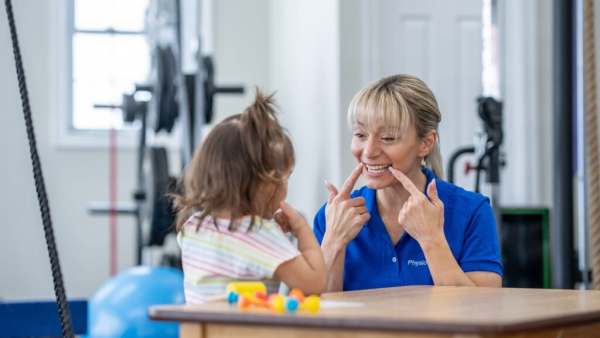
Structured Learning for Early Communication
ABA Therapy emphasizes structured learning to help young minds grasp the basics of communication. Each session focuses on breaking down complex interactions into smaller, achievable steps, ensuring that children can understand and respond appropriately to social cues. Repetition, modeling, and positive reinforcement work together to strengthen comprehension and verbal expression. By providing a predictable framework, ABA Therapy reduces frustration, encouraging children to participate actively in communication exercises. The consistent approach allows children to build confidence gradually, improving their ability to share thoughts, express needs, and engage meaningfully with peers and caregivers in everyday situations.
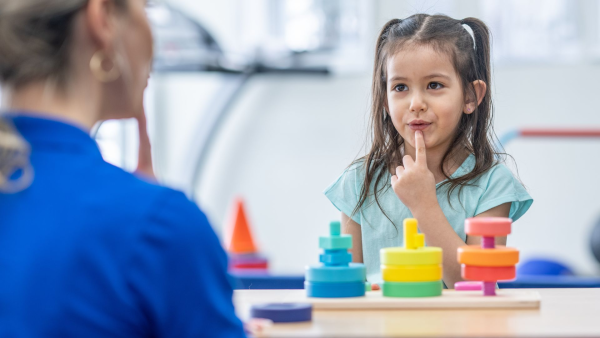
Strengthening Verbal Skills Through Guided Practice
ABA Therapy targets verbal communication by teaching children how to articulate words, phrases, and sentences clearly. Guided practice sessions help children identify sounds, form words, and link vocabulary to meaning, enabling them to convey thoughts effectively. Therapists employ prompts and reinforcement strategies to encourage speaking attempts while minimizing stress or confusion. By repeating structured exercises, children gain mastery over language patterns, pronunciation, and sentence construction. Over time, these methods increase verbal fluency and confidence, allowing children to initiate conversations, ask questions, and respond to others in meaningful ways, enhancing both social interactions and academic readiness.
Enhancing Nonverbal Communication Abilities
ABA Therapy also addresses nonverbal communication, which is critical for social development. Children learn to recognize facial expressions, gestures, and body language cues to interpret emotions and intentions accurately. Therapists guide children to respond with appropriate gestures, eye contact, and facial expressions, reinforcing positive social interactions. Mastering nonverbal communication supports overall comprehension and helps children express needs when words are challenging. By integrating these skills with verbal communication, ABA Therapy creates a comprehensive approach that strengthens interpersonal understanding, fosters empathy, and enables young minds to interact confidently with peers and adults in a wide variety of social environments.
Recognizing Facial Expressions
ABA Therapy helps children identify and interpret facial expressions, a key element of nonverbal communication. By learning to notice smiles, frowns, and other emotional cues, children better understand others’ feelings and intentions. Therapists use modeling and guided observation to reinforce recognition skills, allowing children to respond appropriately. Developing this ability supports social engagement, empathy, and helps children navigate interactions more confidently in school, home, and community environments.
Understanding Gestures and Body Language
Children practicing ABA Therapy learn the significance of gestures and body language in everyday interactions. Simple movements like pointing, waving, or nodding convey important messages, and recognizing them enhances comprehension. Therapists provide structured exercises that teach children to respond appropriately, strengthening both expressive and receptive communication.
Improving Eye Contact
ABA Therapy emphasizes the importance of eye contact in building connections and trust. Children are guided to maintain appropriate eye contact during conversations, helping them demonstrate attention, understanding, and engagement. Reinforced practice ensures that eye contact becomes a natural part of communication, supporting both verbal and nonverbal interactions.
Responding with Appropriate Gestures
ABA Therapy teaches children to respond to social cues with gestures that match the context. By practicing nodding, pointing, or using hand signals, children learn how to communicate intentions without words. Therapists reinforce positive responses through repetition and encouragement, helping children integrate gestures naturally into interactions.
Integrating Nonverbal and Verbal Skills
ABA Therapy supports the integration of nonverbal and verbal communication, creating a comprehensive approach to social interaction. Children learn to combine gestures, facial expressions, and spoken language to express needs and emotions effectively. This combined skill set strengthens understanding, builds confidence, and encourages empathy in social situations.
Building Social Engagement Through Interaction
ABA Therapy encourages children to engage in purposeful social interactions, promoting communication in real-life contexts. Structured play, role-playing, and group exercises help children practice conversational turn-taking, listening, and responding appropriately. These interactions provide opportunities to apply learned skills naturally, reinforcing verbal and nonverbal communication. By participating in guided social scenarios, children gain confidence in expressing themselves, interpreting social cues, and collaborating with peers. This ongoing exposure ensures that communication development extends beyond structured sessions into daily life, helping children develop meaningful relationships and improving their ability to navigate social settings with confidence and ease.
Positive Reinforcement as a Motivational Tool
ABA Therapy relies on positive reinforcement to encourage communication growth, rewarding children for attempting or successfully using new skills. Praise, tangible rewards, and other motivating strategies create a supportive environment where children feel encouraged to take risks in expressing themselves. Reinforcement helps children understand the link between effort and success, making communication exercises engaging and rewarding. Over time, this method strengthens intrinsic motivation, helping children maintain progress and build self-confidence. Positive reinforcement ensures that young learners remain enthusiastic about practicing communication, gradually developing greater independence and more effective interaction skills with family, peers, and teachers.
Tailored Approaches for Individual Needs
ABA Therapy adapts to each child’s unique learning style, developmental pace, and communication challenges. Therapists design individualized plans that address specific goals, whether enhancing vocabulary, improving sentence structure, or mastering social cues. Tailoring exercises ensures that interventions are meaningful, achievable, and engaging, increasing the likelihood of sustained progress. By closely monitoring responses and adjusting techniques, ABA Therapy provides targeted support for each child, maximizing the effectiveness of communication development. Personalized approaches foster confidence and skill mastery, helping children reach milestones at their own pace and providing caregivers with practical strategies to reinforce learning in everyday situations.
Preparing for Long-Term Communication Success
The skills learned through ABA Therapy lay a foundation for lifelong communication success. Early intervention strengthens both verbal and nonverbal abilities, helping children navigate school, social interactions, and family life with confidence. Continuous practice and reinforcement foster independence, adaptability, and self-expression, equipping children to handle complex communication challenges as they grow. By integrating learned strategies into daily routines, ABA Therapy ensures that progress is sustainable and transferable across environments. Ultimately, this approach empowers young minds to build meaningful relationships, express themselves clearly, and thrive socially and academically, supporting overall development and long-term success in communication.
Conclusion
ABA Therapy plays a vital role in helping young children develop meaningful communication skills, supporting both verbal and nonverbal interactions. Through structured guidance, reinforcement, and individualized approaches, children gain confidence in expressing needs, understanding social cues, and engaging with peers effectively. These foundational skills not only improve daily interactions but also foster long-term social and emotional growth, creating pathways for continued success in school, home, and community settings. For families in Beavercreek, OH, Positive Solutions Behavior Group LLC provides expert ABA Therapy services tailored to each child’s needs. Contact us today at 859-282-0400 to learn how we can support your child’s communication journey.
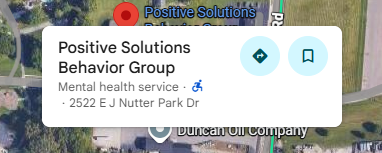
Positive Solutions Behavior Group LLC
2522 Nutter Park Drive Beavercreek, OH 45434
859-282-0400
https://positivesolutionsbehaviorgroup.com/
Company Details
Organization: Positive Solutions Behavior Group LLC (Beavercreek)
Contact Person: Positive Solutions Behavior Group LLC (Beavercreek)
Website: https://positivesolutionsbehaviorgroup.com/
Email: Send Email
Contact Number: +18592820400
Address: 2522 E J Nutter Park Dr, Beavercreek, OH 45434
City: Beavercreek
State: OH
Country: United States
Release Id: 09122538774