
Understanding ACL Reconstruction Surgery – A Complete Guide

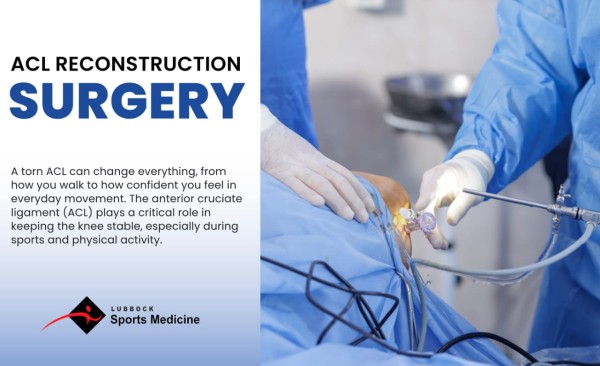
United States, 1st Dec 2025 – ACL reconstruction surgery is a common orthopedic procedure used to restore stability to the knee after a torn anterior cruciate ligament (ACL). The ACL is one of the main ligaments that hold the knee together, helping control forward motion and rotation of the shinbone. When it becomes severely damaged—often through sports, sudden twisting movements, or traumatic impact—the knee can become unstable, painful, and unreliable during movement.
For people who want to return to an active lifestyle, ACL reconstruction offers a path to regaining strength, mobility, and confidence.
Understanding the ACL and Why It Matters
The knee is a complex joint supported by four key ligaments. Among them, the ACL is especially important for controlling:
- Sudden stops
- Direction changes
- Jumping and landing
- Pivot movements
- Overall knee stability
An ACL tear doesn’t grow back on its own. While some people can manage daily activities without surgery, active individuals often experience a “giving way” sensation during physical activity. Over time, an unstable knee increases the risk of meniscus tears, cartilage damage, and early arthritis.
That’s why many athletes, fitness enthusiasts, and physically active people choose surgical reconstruction rather than long-term compensation.
What Happens During ACL Reconstruction?
Despite its name, the procedure does not repair the original ligament. Instead, a new ligament is built using a graft—a piece of healthy tissue that replaces the damaged ACL.
Common Graft Sources Include:
- Patellar tendon graft – taken from the knee area
- Hamstring graft – harvested from the back of the thigh
- Quadriceps tendon graft – taken from the front of the thigh
- Donor tissue (allograft) – from a tissue bank
The surgeon removes the torn ACL remnants and creates precise tunnels in the thighbone and shinbone. The graft is placed and anchored securely in these tunnels, forming a new ligament framework.
Over time, the body integrates the graft, strengthening and reshaping it into a functioning ligament through the healing process.
How Long Does Surgery Take?
Most ACL reconstruction procedures take between one and two hours. Many surgeries are performed arthroscopically using a camera and tiny incisions. This minimally invasive approach reduces scarring, shortens recovery time, and lowers complication risks.
Patients usually go home the same day.
Recovery and Rehabilitation
Rehabilitation is just as important as the surgery itself. Without dedicated physical therapy, even the best surgery can fail to restore full function.
Typical Recovery Phases Include:
First few weeks:
- Swelling control
- Gentle range of motion exercises
- Crutches and bracing as needed
Weeks 4–12:
- Building strength
- Improving flexibility
- Gradual return to walking normally
Months 3–6:
- Advanced strengthening
- Stability and balance work
- Beginning sport-specific movements
Around 6–9 months:
Many patients return to full sports or high-impact activity, depending on healing speed and rehab commitment.
Who Is a Candidate for ACL Reconstruction?
Surgery is often recommended for people who:
- Play sports that involve cutting or pivoting
- Have frequent knee instability
- Want to return to physical work or fitness
- Sustain additional meniscus or cartilage damage
- Experience repeated “giving out” episodes
- Have a complete ligament rupture
Not everyone requires surgery immediately. Older patients or those with low activity demands may manage well with physical therapy and bracing alone. A specialist evaluation helps determine the best approach for each individual.
Risks and Success Rates
ACL reconstruction is considered safe and highly effective. The success rate for restoring stability is over 90% when paired with proper rehabilitation.
Like all surgeries, risks include:
- Infection
- Blood clots
- Stiffness
- Graft failure
- Ongoing pain or weakness
However, serious complications are uncommon, and modern techniques continue to improve long-term outcomes.
Life After ACL Surgery
Many patients return stronger and more confident than before injury. With discipline, patience, and proper rehab, individuals often regain:
- Knee strength
- Balance and stability
- Athletic performance
- Long-term joint health
ACL reconstruction doesn’t just fix a knee—it restores movement, independence, and confidence.
ACL reconstruction surgery offers a durable solution for individuals who don’t want to live with chronic knee instability. It replaces a damaged ligament with a strong biological graft, allowing people to return to activities they love safely and effectively.
If you’ve suffered an ACL tear, a proper diagnosis and treatment plan can help you decide whether surgery is the right path forward. With the right care, a stable, powerful knee is absolutely achievable again.
Follow us on Facebook and Twitter. By Dr. Kevin Crawford, Sports Medicine Doctor Lubbock and Orthopedic Surgeon Lubbock.
This article is for general purposes only and should not be considered medical advice. If you have any medical issues or questions, consult your physician.
Company Details
Organization: Dr. Kevin Crawford, Lubbock Sports Medicine Surgeon
Contact Person: Office Manager
Website: https://drkevincrawford.com/acl-reconstruction-surgery-restoring-knee-stability-and-performance/
Email: Send Email
Country: United States
Release Id: 01122538137