
How Often Should a Paving Contractor Inspect Roads

Regular road inspections are essential for maintaining safe, durable, and cost-effective pavement. Roads are constantly exposed to traffic, weather, and environmental conditions that can cause cracks, potholes, drainage problems, and surface deterioration. Inspecting roads at least once or twice a year—or more frequently for high-traffic areas—helps identify issues early, allowing for timely repairs that extend pavement life, improve safety, and reduce long-term maintenance costs. Seasonal inspections, especially after winter and before colder weather, are particularly valuable for detecting weather-related damage.Working with a professional paving contractor ensures thorough evaluations and customized maintenance plans based on traffic volume, pavement condition, and local environmental factors. Modern inspection methods, including visual assessments, drones, laser scanning, and GIS technology, help identify both surface and structural issues accurately. By investing in regular inspections and preventive maintenance, property owners and municipalities can protect their pavement investment, improve road safety, and avoid expensive reconstruction projects.
Indianapolis, Indiana, United States, 3rd Jul 2026 – Roads experience constant wear from traffic, weather conditions, and environmental factors. Over time, even well-constructed pavement can develop cracks, potholes, drainage issues, and surface deterioration that affect safety and performance. This is why regular inspections play a critical role in maintaining road quality and preventing costly repairs.
A professional paving contractor understands the importance of monitoring pavement conditions before small issues become major problems. Regular road inspections help identify early signs of damage, extend pavement lifespan, improve safety, and reduce long-term maintenance expenses. Whether managing municipal roads, commercial parking lots, or private access roads, establishing a consistent inspection schedule ensures that pavement remains durable and functional. Understanding how often roads should be inspected can help property owners and municipalities protect their investment while maintaining smooth and safe driving surfaces.
Why Regular Road Inspections Matter
Road surfaces are exposed to daily stress from vehicle traffic, changing temperatures, rain, snow, and sunlight. These factors gradually weaken pavement materials and create conditions that lead to deterioration. Without regular inspections, small defects can quickly expand into significant structural problems.
Routine evaluations allow maintenance teams to detect cracks, depressions, drainage concerns, and surface wear before they become severe. Early detection often results in simpler and less expensive repairs compared to extensive reconstruction projects. In addition, inspections help maintain road safety by reducing hazards that could affect drivers, cyclists, and pedestrians.
Preventive maintenance programs rely heavily on scheduled inspections. By tracking pavement conditions over time, road managers can prioritize repairs and allocate maintenance budgets more effectively. This proactive approach extends pavement life while minimizing disruptions caused by emergency repairs.
Consistent inspections also help preserve the appearance of roads and parking surfaces. Well-maintained pavement creates a positive impression and demonstrates a commitment to public safety and infrastructure quality.
Recommended Inspection Frequency for Most Roads
The ideal inspection schedule depends on road type, traffic volume, and environmental conditions. However, many pavement experts recommend conducting comprehensive road inspections at least once or twice each year.
Roads that experience moderate traffic typically benefit from inspections every six months. These evaluations provide opportunities to identify developing issues and plan maintenance activities before seasonal weather changes worsen existing damage.
Roads exposed to heavy commercial traffic may require more frequent assessments. Increased vehicle loads place additional stress on pavement structures, accelerating wear and increasing the likelihood of surface failures. Quarterly inspections may be appropriate in these situations.
Seasonal inspections are especially valuable because weather conditions often influence pavement performance. Inspecting roads after winter can reveal damage caused by freeze-thaw cycles, while fall inspections help prepare pavement for colder months ahead.
A qualified paving contractor can evaluate road conditions and recommend a customized inspection schedule based on specific site requirements and pavement history.

How Traffic Volume Influences Inspection Schedules
Traffic volume is one of the most important factors when determining how often roads should be inspected. High-traffic roads experience significantly more wear than roads used by fewer vehicles.
Heavy trucks and commercial vehicles exert greater pressure on pavement surfaces compared to passenger cars. Over time, repeated loading can contribute to rutting, cracking, and structural weakening. Roads serving industrial facilities, warehouses, and transportation hubs often require more frequent evaluations.
Urban roads with continuous vehicle flow also face increased stress. Frequent stopping, turning, and braking movements can accelerate surface deterioration, especially at intersections and access points.
In contrast, residential roads typically experience lighter traffic and may not require inspections as often. However, routine monitoring remains essential to identify age-related deterioration and environmental damage.
Traffic patterns can change over time due to development projects, population growth, or increased commercial activity. Regular assessments help ensure inspection schedules remain aligned with current pavement demands.
Seasonal Factors That Affect Road Conditions
Weather plays a major role in pavement performance throughout the year. Different seasons introduce unique challenges that can impact road conditions and influence inspection frequency.
Winter conditions often create some of the most significant pavement problems. Water enters small cracks, freezes, expands, and causes further deterioration. This freeze-thaw cycle can rapidly enlarge pavement defects and contribute to pothole formation.
Spring inspections are particularly important because they reveal damage that developed during winter months. Early repairs can prevent moisture infiltration and additional structural issues.
Summer heat can also affect pavement surfaces. High temperatures may soften asphalt, leading to rutting and deformation under heavy traffic loads. Extended UV exposure can accelerate aging and oxidation.
Autumn inspections help identify repairs needed before winter arrives. Addressing minor issues before cold weather sets in often prevents more extensive damage during the following season.
Signs That Roads Need Immediate Inspection
While routine schedules are important, certain conditions may require immediate attention regardless of the planned inspection timeline. Recognizing these warning signs can help prevent larger pavement failures.
Cracks are among the most common indicators that pavement requires evaluation. Even small cracks allow moisture to penetrate underlying layers, potentially leading to structural deterioration.
Potholes represent another clear sign that prompt inspection is necessary. These defects can expand quickly and create safety concerns for drivers. Immediate assessment helps determine whether localized repairs or more extensive maintenance is required.
Drainage issues should never be ignored. Standing water often indicates underlying pavement problems or inadequate drainage systems. Excess moisture can weaken pavement foundations and accelerate deterioration.
Uneven surfaces, rutting, depressions, and crumbling edges also warrant professional evaluation. Addressing these issues early can significantly reduce future repair costs and extend pavement lifespan.
Benefits of Preventive Maintenance Inspections
Preventive maintenance inspections offer substantial advantages for property owners, municipalities, and organizations responsible for road management. Rather than waiting for visible failures, proactive evaluations focus on preserving pavement quality.
One of the primary benefits is cost savings. Minor repairs performed during the early stages of deterioration are generally less expensive than major reconstruction projects. Preventive maintenance helps maximize pavement investment and reduce long-term expenses.
Regular inspections also contribute to improved safety. Identifying hazards before they become serious risks helps protect drivers, pedestrians, and cyclists while reducing potential liability concerns.
Another advantage is extended pavement lifespan. Consistent monitoring allows maintenance teams to address issues before they affect the structural integrity of the road. As a result, roads remain functional for longer periods.
Preventive programs also improve budgeting accuracy by providing valuable data about pavement conditions and anticipated repair needs. This information supports better planning and resource allocation.

Technology Used During Modern Road Inspections
Advancements in technology have improved the accuracy and efficiency of pavement inspections. Today’s inspection methods provide detailed information that supports more informed maintenance decisions.
Visual inspections remain an essential part of the evaluation process. Experienced professionals assess surface conditions, identify visible defects, and document areas requiring attention.
Digital imaging systems and drones are increasingly used to survey large road networks. These technologies help capture detailed pavement data while improving inspection efficiency and safety.
Laser scanning equipment can measure pavement smoothness, rutting, and surface irregularities with high precision. This information helps maintenance teams prioritize repairs and monitor pavement performance over time.
Geographic Information Systems (GIS) also support pavement management programs by organizing inspection data and tracking maintenance history. These tools allow decision-makers to evaluate trends and plan future maintenance activities more effectively.
A skilled paving contractor may utilize multiple inspection methods to obtain a comprehensive understanding of pavement conditions and develop targeted maintenance recommendations.
Working With a Professional Paving Contractor
Road inspections require expertise, experience, and an understanding of pavement behavior. Working with a professional paving contractor ensures that evaluations are thorough and accurate.
Qualified contractors can identify both visible and underlying pavement issues. Their knowledge allows them to distinguish between cosmetic surface defects and more serious structural concerns that may require immediate attention.
Professional inspections also provide valuable documentation and maintenance recommendations. Detailed reports help property owners understand pavement conditions and prioritize repair projects based on urgency and budget considerations.
A reliable paving contractor can develop customized maintenance plans tailored to traffic patterns, environmental conditions, and pavement age. This approach helps maximize pavement performance while reducing unexpected repair costs.
By partnering with experienced professionals, property owners gain access to expert guidance that supports long-term pavement preservation and safety.
Conclusion
Regular road inspections are essential for maintaining safe, durable, and cost-effective pavement surfaces. Factors such as traffic volume, weather conditions, pavement age, and environmental exposure all influence how frequently roads should be evaluated. Most roads benefit from inspections at least once or twice annually, while high-traffic areas may require more frequent assessments. Early detection of cracks, potholes, drainage problems, and structural concerns allows repairs to be completed before significant damage occurs.
For professional road inspection and paving services, trust Five Star Paving in Indianapolis, IN. Their experienced team understands the importance of proactive pavement maintenance and reliable repair solutions. To schedule an inspection or learn more about pavement maintenance services, contact Five Star Paving today at +1 317-339-2107.
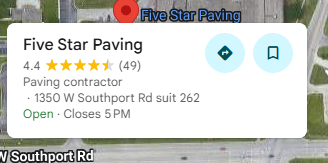
Five Star Paving
1350 W Southport Rd suit 262, Indianapolis, IN 46217
+13173392107
http://5starpavingservice.com/
Company Details
Organization: Five Star Paving
Contact Person: Five Star Paving
Website: http://5starpavingservice.com/
Email: Send Email
Contact Number: +13173392107
Address: 1350 W Southport Rd suit 262, Indianapolis, IN 46217, United States
Address 2: MR78+WG Indianapolis, Indiana, USA
City: Indianapolis
State: Indiana
Country: United States
Release Id: 03072646738