
Core Biohazard Services Licensed and Insured

When choosing a biohazard cleanup company, verifying that the provider is licensed and insured is essential for ensuring safe, compliant, and professional remediation. Biohazard cleanup involves handling hazardous materials such as bloodborne pathogens, infectious substances, and other dangerous contaminants, making specialized training, regulatory compliance, and proper insurance coverage critical.The article explains that licensed biohazard companies meet industry and government standards for technician training, safety procedures, hazardous waste disposal, and environmental regulations. Insurance—including general liability and workers’ compensation—protects both the company and its clients from financial risks if accidents, injuries, or property damage occur during the cleanup process.Professional biohazard remediation teams follow strict safety protocols by using personal protective equipment (PPE), containment methods, specialized disinfectants, and approved waste disposal procedures to eliminate health hazards and prevent cross-contamination. Many companies also earn additional certifications in bloodborne pathogen management, hazardous waste handling, and infection control to demonstrate ongoing training and expertise.The article also warns against hiring unlicensed or uninsured providers, as improper cleanup can leave harmful contaminants behind, create legal liabilities, and result in costly future remediation. Property owners are encouraged to verify licenses, request proof of insurance, ask about technician qualifications, and understand the company’s cleanup procedures before hiring.Overall, working with a licensed and insured biohazard cleanup provider offers greater protection, peace of mind, and confidence that hazardous environments will be restored safely and effectively. ASAP Decon provides professional biohazard remediation services in Springfield with a strong commitment to safety, regulatory compliance, and exceptional customer care.
Springfield, Virginia, United States, 1st Jul 2026 – When dealing with hazardous situations such as crime scenes, unattended deaths, hoarding environments, or infectious disease contamination, choosing a qualified cleanup provider is essential. One of the most important questions property owners ask is whether Core Biohazard Services is licensed and insured. Licensing and insurance demonstrate professionalism, regulatory compliance, and a commitment to safety standards that protect both clients and workers.
Biohazard cleanup involves specialized procedures, advanced equipment, and strict adherence to health and safety regulations. Hiring a company that lacks proper credentials can expose property owners to unnecessary risks, legal liabilities, and incomplete remediation. Understanding the role of licensing and insurance helps consumers make informed decisions when selecting a biohazard cleanup provider. This article explores why these credentials matter, what they cover, and how they contribute to safe and effective biohazard remediation services.
Why Licensing Matters in Biohazard Cleanup
Licensing serves as an important indicator that a biohazard remediation company operates according to local, state, and industry regulations. Biohazard cleanup is not a standard cleaning service. It involves handling potentially dangerous biological materials that may contain bacteria, viruses, bloodborne pathogens, and other contaminants capable of causing serious health risks.
Licensed companies are generally required to meet specific standards related to training, safety procedures, waste disposal, and environmental compliance. These requirements help ensure that technicians understand how to safely manage hazardous materials while protecting occupants and surrounding communities.
For property owners, licensing provides reassurance that the company has met regulatory requirements and possesses the necessary expertise to perform the work correctly. Improper cleanup can leave behind hidden contaminants that create ongoing health concerns and may require additional remediation later.
In many jurisdictions, certain aspects of biohazard remediation require permits or specialized certifications. Working with a licensed provider helps reduce the risk of violations and ensures that cleanup activities comply with applicable regulations. This level of professionalism contributes to better outcomes and greater peace of mind for clients facing difficult situations.
Understanding Insurance Coverage for Biohazard Companies
Insurance plays a vital role in protecting both the cleanup company and its clients. Biohazard remediation involves unique risks that extend beyond those found in ordinary cleaning services. Workers may encounter hazardous substances, damaged structures, and unpredictable environments during cleanup operations.
A properly insured biohazard company typically carries general liability insurance, workers’ compensation coverage, and other specialized policies designed to address industry-specific risks. These protections help cover potential accidents, property damage, or injuries that may occur during remediation work.
For clients, insurance provides an additional layer of security. If an unforeseen incident occurs while cleanup is being performed, appropriate coverage can help address financial liabilities and damages. Without adequate insurance, property owners could potentially face significant costs or legal complications.
Insurance also reflects a company’s commitment to operating responsibly. Providers that invest in comprehensive coverage demonstrate their understanding of industry risks and their willingness to protect clients and employees alike. Before hiring any remediation company, verifying insurance coverage is an important step in the decision-making process.
The Safety Standards Followed by Professional Biohazard Teams
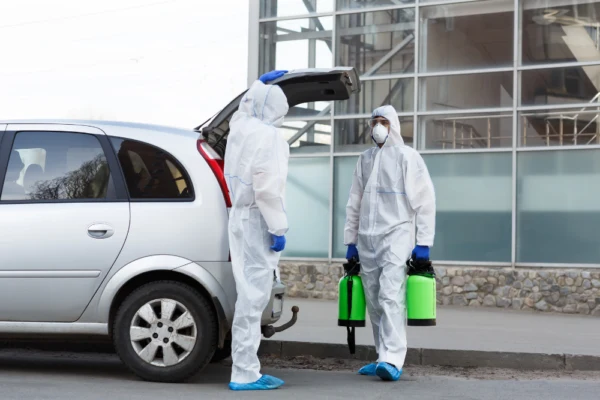
Professional biohazard remediation companies follow strict safety standards to protect workers, property occupants, and the public. These standards guide every stage of the cleanup process, from initial assessment to final decontamination.
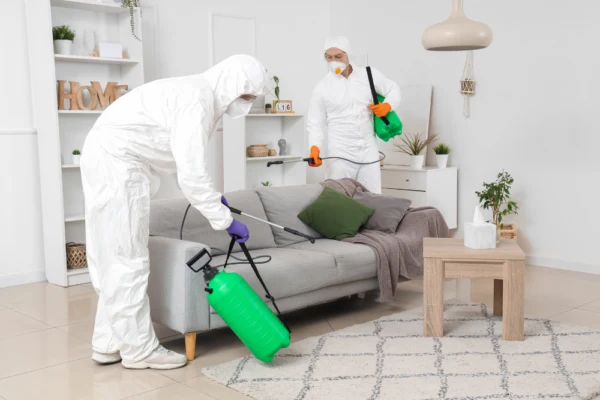
Technicians are trained to use personal protective equipment, containment systems, and specialized cleaning agents designed to eliminate biological contaminants. Proper safety procedures help prevent cross-contamination and reduce exposure risks throughout the remediation process.
Companies like Core Biohazard Services often rely on established industry protocols that emphasize thorough cleaning, disinfection, and proper disposal of hazardous waste. Following these standards helps ensure that affected areas are restored to a safe condition.
Safety compliance also includes documentation, risk assessment, and adherence to applicable regulations. By maintaining high standards, professional remediation providers help protect both property owners and cleanup personnel while delivering effective and reliable results.
How Licensing and Insurance Protect Property Owners
Property owners often focus on cleanup quality, but licensing and insurance provide equally important protections. When a remediation company is properly credentialed, clients gain confidence that the work will be performed according to recognized standards.
Licensing demonstrates competency and regulatory compliance. Insurance offers financial protection against potential accidents or damages that may arise during the project. Together, these credentials create a safer and more reliable service experience.
Property owners dealing with biohazard situations are often under stress and seeking immediate assistance. Working with a licensed and insured provider reduces uncertainty and helps ensure that cleanup activities proceed smoothly.
In addition, credentialed companies are more likely to follow proper documentation and reporting practices. This can be valuable for insurance claims, legal matters, and property transactions that may require evidence of professional remediation.
Certifications That Complement Licensing Requirements
Beyond licensing, many biohazard remediation professionals pursue additional certifications to enhance their knowledge and skills. These certifications often focus on specialized topics such as bloodborne pathogen management, hazardous waste handling, and infection control procedures.
Continuing education helps technicians stay informed about evolving regulations, emerging health concerns, and industry best practices. As biohazard remediation techniques advance, ongoing training becomes increasingly important for maintaining service quality.
Certifications can also demonstrate a company’s commitment to professionalism and excellence. Clients often view certified technicians as more knowledgeable and capable of handling complex remediation challenges.
While certification requirements vary by location and specialty, they provide another indicator of competence and dedication. Combined with licensing and insurance, certifications contribute to a comprehensive framework of accountability and expertise within the biohazard cleanup industry.
The Risks of Hiring Unlicensed or Uninsured Providers
Choosing an unlicensed or uninsured cleanup provider can create significant risks for property owners. Although lower pricing may seem attractive, the potential consequences often outweigh any short-term savings.
Unqualified providers may lack the training needed to safely remove biohazard materials. Incomplete cleanup can leave dangerous contaminants behind, increasing the risk of illness or future remediation expenses. Improper disposal practices may also result in regulatory violations or environmental concerns.
Without insurance coverage, clients could face financial responsibility for damages, injuries, or accidents that occur during the project. This exposure can lead to unexpected costs and legal complications.
Professional remediation requires specialized knowledge, equipment, and adherence to strict safety standards. Working with licensed and insured providers helps reduce these risks while promoting safer, more effective outcomes. Property owners should always verify credentials before authorizing any biohazard cleanup services.
What Questions Should Clients Ask Before Hiring?
Before hiring a biohazard remediation company, clients should ask several important questions about credentials, experience, and procedures. Verifying licensing status should be one of the first steps in the evaluation process.
Clients should also request proof of insurance coverage and ask about the types of policies carried by the company. Understanding these protections can help prevent misunderstandings and provide confidence in the provider’s professionalism.
Additional questions may include technician training, safety procedures, waste disposal methods, and estimated project timelines. Reputable providers are generally willing to discuss their qualifications and explain their remediation approach in detail.
Asking the right questions helps property owners compare providers more effectively and identify companies that prioritize safety, compliance, and customer satisfaction. Thorough vetting can make a significant difference in the overall cleanup experience.
How Professional Biohazard Cleanup Benefits Communities
Professional biohazard remediation extends beyond individual properties and contributes to broader community health and safety. Proper cleanup helps prevent the spread of infectious materials and reduces environmental contamination risks.
Licensed and insured companies follow established procedures that support public health objectives. By safely removing hazardous substances and disposing of waste correctly, they help maintain safer neighborhoods and public spaces.
Community trust also depends on accountability and professionalism. Companies that operate responsibly reinforce confidence in the remediation industry and promote higher standards throughout the field.
The work performed by Core Biohazard Services and similar providers plays an important role in protecting public health. Their expertise helps restore affected environments while minimizing risks to residents, workers, and surrounding communities.
Conclusion
Determining whether Core Biohazard Services is licensed and insured is an important consideration when selecting a biohazard cleanup provider. Licensing demonstrates compliance with industry regulations, while insurance offers critical protection for both clients and workers. Together, these credentials support safe, effective, and professional remediation services. Property owners should always verify qualifications, ask relevant questions, and choose providers that prioritize safety and accountability.
For individuals and businesses seeking reliable biohazard cleanup assistance in Springfield, professional support can make a significant difference during challenging situations. ASAP Decon is committed to delivering high-quality remediation services with a focus on safety, compliance, and customer care. To learn more or request assistance, contact ASAP Decon in Springfield at 703-864-8367.
ASAP Decon
+17038648367
Company Details
Organization: ASAP Decon
Contact Person: ASAP Decon
Website: https://asapdecon.com/
Email: Send Email
Contact Number: +17038648367
Address: 7216 Wesley rd, Springfield, VA, USA
Address 2: NA
City: Springfield
State: Virginia
Country: United States
Release Id: 01072646655