
Knee Cartilage Damage: How Modern Regenerative Treatments Help Preserve Joint Health

United States, 27th Jun 2026 – Millions of people experience knee pain caused by damaged cartilage, whether from sports injuries, accidents, or the natural aging process. Because cartilage serves as the knee’s protective cushioning, even a small injury can gradually affect comfort, mobility, and overall quality of life.
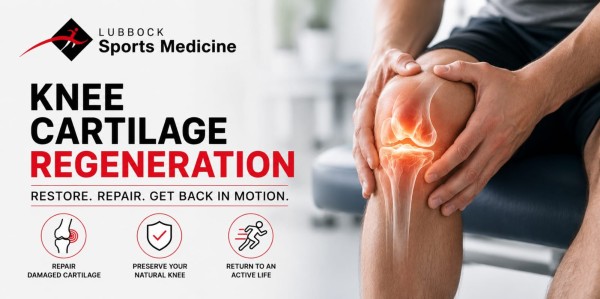
The encouraging news is that orthopedic medicine has made remarkable progress in cartilage restoration. Today’s advanced treatment options focus on preserving the natural knee whenever possible, helping many patients remain active while reducing pain and improving long-term joint function.
Why Healthy Cartilage Is So Important
Articular cartilage forms a smooth surface over the ends of the bones inside the knee joint. This specialized tissue allows the knee to move with minimal friction while distributing the tremendous forces generated during everyday activities.
Unlike muscles or skin, cartilage has very little blood supply. As a result, once damaged, it has a limited ability to repair itself naturally. Left untreated, cartilage injuries may gradually worsen, placing additional stress on surrounding structures and increasing the likelihood of arthritis over time.
Common Causes of Cartilage Injuries
Cartilage damage can develop in patients of virtually any age. Athletes frequently experience injuries after twisting movements, sudden impacts, or ligament tears, while others may develop cartilage deterioration through years of repetitive use or gradual joint degeneration.
Common contributing factors include:
- Sports-related knee injuries
- Meniscus or ligament tears
- Direct trauma
- Repetitive impact activities
- Joint instability
- Progressive osteoarthritis
Recognizing symptoms early often leads to more treatment options and improved long-term outcomes.
Recognizing the Symptoms
Cartilage injuries don’t always produce immediate, severe pain. Many patients notice symptoms that gradually become more noticeable over weeks or months.
Common signs include:
- Persistent knee discomfort
- Swelling after activity
- Stiffness
- Clicking or catching sensations
- Reduced range of motion
- Difficulty with stairs, running, or prolonged walking
If these symptoms continue despite rest or conservative care, an orthopedic evaluation can help determine whether cartilage damage is present.
Modern Approaches to Cartilage Restoration
Treatment recommendations depend on several factors, including the patient’s age, activity level, location of the injury, overall knee health, and the size of the cartilage defect.
Several advanced procedures are now available to restore damaged areas of cartilage while preserving the natural joint.
Microfracture
Microfracture surgery uses minimally invasive arthroscopic techniques to stimulate the body’s healing response. Tiny openings are created in the underlying bone, encouraging new repair tissue to form over the damaged cartilage surface.
Osteochondral Grafting
For certain focal cartilage injuries, healthy cartilage and bone may be transplanted into the damaged area. Depending on the size of the defect, surgeons may use either the patient’s own tissue or carefully matched donor tissue to reconstruct the joint surface.
Advanced Cell-Based Cartilage Restoration
Some patients may benefit from newer techniques that utilize their own cartilage cells. These specialized procedures involve collecting healthy cartilage cells, expanding them in a laboratory, and implanting them into the damaged portion of the knee to encourage long-term restoration.
The Role of Biologic Therapies
Orthopedic specialists may also recommend biologic treatments that support the body’s natural healing environment.
Depending on the patient’s condition, options may include platelet-rich plasma (PRP), bone marrow concentrate, or other regenerative therapies designed to reduce inflammation and complement surgical or non-surgical treatment plans.
While biologic treatments continue to evolve, they may provide meaningful benefits for carefully selected patients when incorporated into a comprehensive treatment strategy.
Personalized Care Makes the Difference
No two cartilage injuries are exactly alike. Successful treatment begins with a thorough evaluation that includes a physical examination, advanced imaging, and an understanding of each patient’s goals and lifestyle.
An individualized treatment plan allows orthopedic specialists to recommend the most appropriate solution—whether that involves conservative care, minimally invasive surgery, or advanced cartilage restoration procedures.
Looking Toward Long-Term Joint Health
The primary goal of cartilage restoration is not only relieving today’s pain but also protecting the knee for years to come. Addressing cartilage injuries before they progress may help preserve healthy joint function, reduce future complications, and delay more extensive procedures.
With today’s advanced orthopedic techniques, many patients have more opportunities than ever to remain active while protecting their natural knee.
Whether you’re hoping to return to competitive sports or simply enjoy daily activities without persistent knee pain, early evaluation by an experienced orthopedic specialist can be the first step toward restoring mobility and maintaining long-term joint health.
Follow us on Facebook and Twitter, by Sports Doctor Lubbock, Knee Cartilage Regeneration, and Shoulder Instability
This article is for general purposes only and should not be considered medical advice. If you have any medical issues or questions, consult your physician.
Company Details
Organization: Dr. Kevin Crawford
Contact Person: Office Manager
Website: https://drkevincrawford.com/dr-crawford-orthopedic-surgeon/
Email: Send Email
Country: United States
Release Id: 27062646562