
Maximum Distance Between Towing and Towed Vehicles

Towing Recovery Rebuilding Assistance Services is helping drivers better understand the importance of maintaining the proper distance between towing and towed vehicles. Whether handling a roadside breakdown or transporting a disabled vehicle, following recommended towing distance guidelines is essential for safety, vehicle control, and legal compliance. Knowing these requirements can help prevent accidents, reduce liability, and create a safer experience for everyone on the road.The article explains how towing distance regulations typically require vehicles connected by ropes or chains to remain within a specified range, often between 10 and 15 feet. It also discusses how different towing equipment, including tow chains, ropes, and tow bars, affect stability and safety. Additional topics include visibility requirements, speed considerations, regional legal variations, common towing mistakes, and the benefits of using proper safety markers and professional towing equipment. These insights help drivers understand why towing distance limits exist and how they contribute to safer vehicle transport.Towing Recovery Rebuilding Assistance Services encourages motorists to prioritize safety and compliance whenever towing is necessary. Their experienced team in Naperville provides professional towing solutions that meet industry standards, helping customers avoid costly mistakes while ensuring vehicles are transported securely and efficiently.
Naperville, Illinois, United States, 15th Jun 2026 – When it comes to a towing service, safety and compliance are always top priorities. Whether you are dealing with a roadside emergency or transporting a disabled vehicle, understanding towing regulations can prevent accidents and legal issues. One of the most commonly asked questions is about the maximum distance allowed between a towing vehicle and the one being towed.
This distance is not just a technical detail, it directly affects control, braking, and road safety. Regulations can vary depending on location, type of towing equipment, and vehicle size. Knowing the proper limits ensures that both drivers and other road users remain safe. In this guide, we will break down the rules, practical considerations, and safety tips related to towing distance so you can make informed decisions every time you tow a vehicle.
Understanding the Basics of Towing Distance Regulations
Towing distance refers to the space between the towing vehicle and the towed vehicle, typically measured by the length of the tow rope, chain, or bar. Most traffic laws set a maximum allowable distance to maintain control and reduce the risk of accidents.
In many regions, the maximum distance allowed ranges from 10 to 15 feet when using a rope or chain. This ensures that the vehicles remain close enough for the driver of the towing vehicle to manage speed and direction effectively. If the distance is too long, the towed vehicle may sway, making it harder to control.
Authorities enforce these limits to reduce hazards such as delayed braking response and poor visibility for other drivers. A shorter connection improves communication between vehicles and helps maintain alignment on the road.
While these are general guidelines, it is always important to check local traffic laws, as some jurisdictions may have stricter or more lenient rules depending on road conditions and vehicle types.
Why Maximum Distance Limits Are Important for Safety
The maximum towing distance is not arbitrary—it is designed to protect everyone on the road. When vehicles are too far apart, the risk of accidents increases significantly. A long towing line can cause delayed reactions, especially during sudden stops or turns.
Shorter distances allow the towing driver to maintain better control over both vehicles. This is crucial in heavy traffic or emergency situations where quick decisions are required. The closer the vehicles, the more synchronized their movements will be.
Another important factor is visibility. Drivers behind the towing setup need to clearly see that two vehicles are connected. If the distance is too long, it may confuse other motorists, leading to unsafe overtaking or braking.
By following recommended distance limits, drivers can ensure smoother handling, better coordination, and reduced risk of collisions, making towing safer for everyone involved.

Differences Between Tow Chains, Ropes, and Tow Bars
Not all towing equipment is created equal, and each type affects the allowable distance between vehicles. Tow chains and ropes are more flexible, while tow bars provide a rigid connection.
Chains and ropes are commonly used for short-distance towing. Because they can stretch or slacken, regulations often require them to remain within a specific length, typically no more than 15 feet. Drivers must also ensure the connection remains taut to avoid jerking movements.
Tow bars, on the other hand, offer a fixed distance between vehicles. This makes them more stable and easier to control, especially at higher speeds or over longer distances. Because of their rigidity, tow bars are often preferred for highway towing.
Choosing the right equipment depends on the situation. For quick roadside assistance, a rope or chain may suffice. However, for safer and more controlled towing, especially over longer distances, a tow bar is usually the better option.
Legal Variations by State and Region
Towing regulations can vary widely depending on where you are. While many areas follow similar guidelines, others may have unique rules regarding maximum towing distance.
For example, some states in the U.S. limit the distance between vehicles to 10 feet unless a rigid connection like a tow bar is used. Others allow up to 15 feet but require a visible flag or marker if the connection exceeds a certain length.
In urban areas, stricter rules may apply due to higher traffic density. Rural regions might allow slightly more flexibility, but safety requirements still remain in place.
Because of these differences, drivers should always verify local laws before towing. Ignoring regional regulations can result in fines, penalties, or even liability in case of an accident. Staying informed ensures compliance and safer towing practices.
The Role of Visibility and Safety Markers
Visibility is a critical aspect of towing safety, especially when there is a noticeable gap between vehicles. Many regulations require the use of flags, lights, or reflective materials to make the connection visible to other drivers.
If a chain or rope is used, a brightly colored flag is often attached to the middle of the line. This alerts other motorists that two vehicles are connected and helps prevent them from attempting to drive between them.
At night or in low-visibility conditions, additional lighting may be required. This ensures that the towed vehicle is clearly visible and that the connection does not pose a hidden hazard.
Proper visibility measures not only comply with legal requirements but also enhance overall road safety. They reduce confusion and help other drivers anticipate your movements more accurately.
How Speed Affects Towing Distance Requirements
Speed plays a major role in determining safe towing practices. The faster you travel, the more control you need over both vehicles. This directly impacts the recommended distance between them.
At higher speeds, even a small delay in response can lead to serious consequences. A longer towing distance increases the likelihood of lag between the movements of the two vehicles. This can result in swaying or sudden jerks.
For this reason, many experts recommend keeping towing distances shorter when traveling at higher speeds. Using a rigid tow bar can also help maintain stability and reduce the risk of accidents.
Drivers should always adjust their speed based on road conditions, traffic, and the type of towing equipment used. Maintaining a moderate speed and proper distance ensures a smoother and safer towing experience.

Common Mistakes Drivers Make When Towing
One of the most common mistakes is using a towing line that is too long. This can lead to poor control and increased risk of accidents. Drivers may assume that more distance provides flexibility, but it often has the opposite effect.
Another mistake is failing to secure the connection properly. Loose or improperly attached chains can cause sudden disconnections, which are extremely dangerous.
Some drivers also neglect visibility requirements, such as attaching flags or lights. This can make it difficult for other motorists to recognize the towing setup.
Finally, many people overlook the importance of checking local regulations. Assuming that rules are the same everywhere can lead to legal issues.
When to Hire a Professional Towing Service
While DIY towing may seem convenient, it is not always the safest option. Hiring a professional towing service ensures that all regulations and safety standards are followed.
Professional operators have the right equipment, including tow trucks and secure towing systems. They are trained to handle different scenarios, from breakdowns to accident recovery. This reduces the risk of damage to your vehicle and improves overall safety.
In addition, professionals are familiar with local laws and requirements. They ensure that towing distances, visibility measures, and speed limits are all within legal guidelines.
If you are unsure about towing regulations or lack the proper equipment, it is always best to rely on experts. A professional towing service can save you time, stress, and potential risks on the road.
Best Practices for Safe and Legal Towing
To ensure safe towing, always use the appropriate equipment for your situation. Whether it is a chain, rope, or tow bar, make sure it meets legal requirements and is in good condition.
Keep the distance between vehicles within recommended limits, typically between 10 and 15 feet. This helps maintain control and reduces the risk of accidents.
Always use visibility markers such as flags or lights, especially when towing with a flexible connection. This ensures that other drivers can clearly see your setup.
Finally, drive cautiously and maintain a steady speed. Avoid sudden movements and allow extra space for braking. Following these best practices will help you stay compliant and ensure a safer towing experience.
Conclusion
Understanding the maximum distance allowed between towing and towed vehicles is essential for both safety and legal compliance. Keeping the connection within recommended limits improves control, visibility, and overall road safety. Whether you are using a chain, rope, or tow bar, following proper guidelines can prevent accidents and costly mistakes.
If you are unsure about towing regulations or need assistance, trust Towing Recovery Rebuilding Assistance Services in Naperville. Their professional team ensures safe, reliable, and compliant towing solutions for every situation. For expert help, call +1 630-200-2731 and get the support you need from a dependable towing service you can rely on.
https://soundcloud.com/vehicle_rebuilding_17/maximum-distance-between
https://www.podomatic.com/podcasts/myracole199podcast/episodes/2026-05-07T20_56_11-07_00
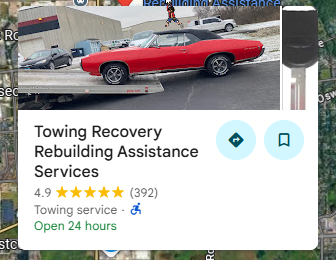
Towing Recovery Rebuilding Assistance Services
1835 High Grove Ln #103, Naperville, IL 60540
+16302002731
https://www.towrecoverassist.com/
Company Details
Organization: Towing Recovery Rebuilding Assistance Services
Contact Person: Towing Recovery Rebuilding Assistance Services
Website: https://www.towrecoverassist.com/
Email: Send Email
Contact Number: +16302002731
Address: 1835 High Grove Ln #103, Naperville, IL 60540
Address 2: QQGX+JH Naperville, Illinois
City: Naperville
State: Illinois
Country: United States
Release Id: 15062646075