
How Mulch Helps Arizona Landscapes Survive Summer Heat

United States, 8th Jun 2026 – Arizona homeowners know that summer temperatures can be unforgiving. Prolonged exposure to intense sunlight, low humidity, and triple-digit temperatures can place tremendous stress on landscape plants and outdoor living environments. While proper irrigation is essential, many property owners overlook one of the simplest tools for protecting their landscape investment: mulch.
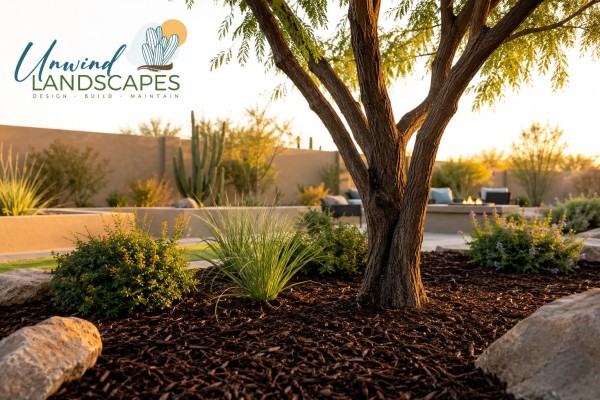
Mulch serves as a protective layer over the soil, helping landscapes retain moisture, reduce heat stress, and maintain healthier growing conditions throughout the hottest months of the year. Whether your property features desert-adapted plants, shade trees, flowering shrubs, or decorative landscape beds, mulch can play a significant role in preserving the beauty and longevity of your outdoor space.
Why Bare Soil Creates Problems
When landscape beds are left uncovered, the soil is directly exposed to Arizona’s intense sunshine. Surface temperatures can rise dramatically during the afternoon, creating stressful conditions for plant roots and increasing water loss through evaporation.
As soil temperatures climb, plants often struggle to absorb sufficient moisture, even when irrigation systems are functioning properly. This combination of heat and water loss can lead to:
- Dry, stressed plants
- Increased irrigation requirements
- Leaf discoloration and scorch
- Reduced plant growth
- Premature plant decline
Adding a layer of mulch helps create a buffer between the soil and the extreme outdoor environment.
Conserving Water in Desert Climates
Water conservation remains one of the biggest priorities for Arizona homeowners. Mulch helps support efficient water usage by slowing evaporation from the soil surface.
Instead of moisture rapidly escaping into the dry desert air, mulched landscape beds hold water longer. This allows plant roots to access moisture more effectively and helps irrigation systems work more efficiently.
For many homeowners, this means healthier plants without the need for excessive watering during the summer season.
Keeping Root Systems Cooler
Roots are often more vulnerable to extreme heat than the visible portions of a plant. Excessively hot soil can damage delicate feeder roots and interfere with nutrient uptake.
Mulch acts as a natural insulator, helping maintain more consistent soil temperatures throughout the day. By reducing temperature fluctuations, mulch creates a more stable environment that supports healthy root development and stronger plant performance.
This benefit is especially important for newly planted trees, shrubs, and seasonal color installations that are still establishing themselves.
Enhancing Landscape Appearance
Beyond its practical advantages, mulch also contributes significantly to the visual appeal of a landscape. Fresh mulch creates clean, defined planting beds and provides attractive contrast against trees, shrubs, decorative boulders, and flowering plants.
A well-maintained mulch layer can instantly improve curb appeal while giving the landscape a polished, professionally maintained appearance.
Many homeowners choose mulch not only for plant health but also because it helps unify landscape design elements throughout the property.
Natural Weed Suppression
Weeds can quickly become a nuisance in landscape beds, especially when temperatures warm and irrigation systems provide a reliable water source.
Mulch helps reduce weed growth by limiting sunlight exposure to weed seeds. With fewer weeds competing for water and nutrients, desirable plants have a better opportunity to thrive.
This added benefit can also reduce landscape maintenance requirements and help keep outdoor spaces looking cleaner throughout the year.
Improving Soil Conditions Over Time
Organic mulch materials gradually decompose and contribute valuable organic matter back into the soil. As this process occurs, soil structure can improve, helping it retain moisture more effectively and support beneficial microorganisms.
Over time, these improvements create healthier growing conditions that contribute to stronger, more resilient landscapes.
Common organic mulch options include:
- Bark mulch
- Hardwood mulch
- Wood chips
- Compost-based mulch
- Shredded wood products
Each option offers unique benefits depending on the landscape design and maintenance goals.
Proper Mulch Installation Matters
While mulch offers numerous advantages, proper application is important. Most landscape professionals recommend maintaining a mulch depth of approximately two to four inches in planting beds.
Too little mulch may not provide adequate protection, while excessive buildup can interfere with water penetration and airflow around plant roots.
When applying mulch around trees, avoid creating “mulch volcanoes” that pile material directly against the trunk. Leaving space around the base helps prevent moisture-related issues and promotes healthier tree growth.
A Smart Investment for Arizona Homeowners
Extreme summer temperatures are simply part of life in the Southwest, but that doesn’t mean your landscape has to suffer. Proper mulching is one of the most effective ways to protect plants, improve water efficiency, reduce maintenance, and enhance overall landscape appearance.
For homeowners investing in landscape design, installation, and ongoing maintenance, mulch provides year-round benefits that help preserve the health and beauty of outdoor spaces. Combined with proper irrigation and plant selection, it remains one of the most valuable tools for creating a landscape that thrives despite Arizona’s challenging climate.
FAQs
Does mulch really help plants survive extreme summer temperatures?
Yes. Mulch helps moderate soil temperatures, retain moisture, and reduce environmental stress on plant roots during periods of intense heat.
How often should landscape mulch be refreshed?
Most organic mulches should be replenished every one to two years, depending on weather conditions, decomposition rates, and appearance preferences.
Is mulch beneficial for desert plants?
Absolutely. Even drought-tolerant plants benefit from improved moisture retention and root protection provided by mulch.
What type of mulch works best in Arizona?
Bark mulch, hardwood mulch, and wood-chip products are popular choices because they provide excellent moisture retention and blend well with desert landscape designs.
Can mulch reduce landscape maintenance?
Yes. Mulch helps suppress weeds, conserve moisture, and protect soil, all of which can reduce ongoing maintenance requirements.
At Unwind Landscapes, we’re here to help every step of the way. As your professional Desert Landscapers in Phoenix, we are experts at Yard Maintenance and complete Landscaping Design and Installation. Let’s make your outdoor space unforgettable together with a Free Landscaping Design Estimate.
This content is for general reading purposes only and should not be considered legal advice or content.
Company Details
Organization: Unwind Landscapes
Contact Person: Office Manager
Website: https://unwindlandscapes.com/
Email: Send Email
Country: United States
Release Id: 08062645823