
Medical Weight Loss Clinics Near Me: What to Expect

This article explains what to expect from medical weight loss clinics and how they provide a safe, personalized approach to achieving sustainable weight loss. Unlike generic diets, these programs are supervised by healthcare professionals who create customized plans based on individual health, lifestyle, and goals.It outlines the full process, starting with an in-depth consultation, followed by tailored plans that include nutrition guidance, exercise, behavioral support, and sometimes medication. Ongoing monitoring and regular check-ins ensure progress is tracked and adjustments are made for optimal results.The article also highlights the importance of medical supervision, lifestyle changes, and addressing underlying factors like metabolism or hormonal imbalances. Overall, medical weight loss clinics focus on long-term success by improving overall health, building sustainable habits, and providing continuous professional support.
Arlington Heights, Illinois, United States, 29th Apr 2026 – If you’ve been searching for effective and sustainable ways to lose weight, medical weight loss programs may be exactly what you need. Unlike fad diets or one-size-fits-all plans, these programs are supervised by healthcare professionals who tailor strategies based on your body, health history, and goals. This personalized approach not only improves results but also prioritizes your long-term well-being.
Understanding what happens inside a clinic can help you feel more confident before starting. From your first consultation to ongoing support, each step is designed to guide you safely toward your goals. In this blog, we’ll break down what to expect from medical weight loss clinics, how they work, and why they’re becoming a preferred option for many individuals seeking real, lasting change.

What Is Medical Weight Loss?
Medical weight loss is a physician-supervised program designed to help individuals lose weight safely and effectively. Unlike commercial diet plans, it focuses on identifying the root causes of weight gain, such as hormonal imbalances, metabolism issues, or underlying medical conditions.
During the process, healthcare providers evaluate your health through screenings, lab tests, and consultations. Based on the findings, they create a customized plan that may include nutrition guidance, exercise recommendations, behavioral therapy, and sometimes FDA-approved medications.
This approach ensures that every aspect of your health is considered. It also allows for adjustments along the way, making it more adaptable than generic diet programs. Patients benefit from ongoing monitoring, which helps prevent setbacks and promotes sustainable progress.
Ultimately, medical weight loss is not just about shedding pounds—it’s about improving overall health, reducing risks of chronic diseases, and building healthier habits for life.
Initial Consultation: What Happens First
Your journey begins with an in-depth consultation. This first step is crucial because it sets the foundation for your entire program. During the visit, a medical professional will review your medical history, lifestyle, and weight loss goals.
You may also undergo physical assessments such as body composition analysis and vital checks. In some cases, lab tests are conducted to evaluate hormone levels, blood sugar, and metabolic function. These insights help pinpoint factors that may be affecting your weight.
This is also your opportunity to ask questions and express concerns. A good clinic will take time to explain the process and outline realistic expectations. Transparency is key, especially when discussing timelines and results.
By the end of the consultation, you’ll have a clearer understanding of your personalized plan. This tailored strategy ensures that your program is safe, effective, and aligned with your unique needs.
Personalized Weight Loss Plans
One of the biggest advantages of medical weight loss programs is personalization. No two individuals have the same metabolism, lifestyle, or health conditions, which is why customized plans are essential.
Your provider will design a program based on your specific needs. This may include calorie targets, meal plans, physical activity recommendations, and behavioral strategies. Adjustments are made as your body responds, ensuring steady progress without compromising health.
Personalization also means addressing barriers. Whether it’s emotional eating, hormonal imbalance, or a sedentary lifestyle, the plan is built to tackle these challenges directly. This targeted approach increases your chances of long-term success.
Additionally, having a structured plan removes guesswork. Instead of trying multiple diets that may not work, you follow a medically guided strategy designed specifically for you.

Role of Medical Professionals
Medical weight loss clinics are led by qualified healthcare providers who oversee your progress. Their role goes beyond simply recommending diet plans—they ensure your safety throughout the journey.
Doctors, nurse practitioners, and nutrition specialists work together to monitor your health. They track vital signs, review lab results, and adjust your program as needed. This level of supervision reduces risks and enhances outcomes.
Medical professionals also provide accountability. Regular check-ins keep you motivated and help identify challenges early. If progress slows, they can modify your plan to keep you on track.
Their expertise ensures that your weight loss is not only effective but also sustainable. Having professional guidance makes a significant difference compared to self-directed approaches.
Nutrition and Meal Planning Guidance
Nutrition is at the core of any successful weight loss program. In a medical setting, meal planning is tailored to your body’s specific needs rather than following generic guidelines.
You’ll receive detailed guidance on portion control, nutrient balance, and food choices. Some programs may include structured meal plans, while others focus on teaching sustainable eating habits. The goal is to create a plan you can maintain long-term.
Education is a key component. Patients learn how different foods affect metabolism, energy levels, and overall health. This knowledge empowers you to make better decisions even outside the clinic.
By focusing on balanced nutrition, medical weight loss helps you achieve results without extreme restrictions. It promotes a healthier relationship with food, which is essential for maintaining weight loss.

Use of Medications and Treatments
In some cases, medical weight loss programs include FDA-approved medications to support your progress. These are prescribed only when appropriate and are carefully monitored by healthcare professionals.
Medications may help reduce appetite, improve metabolism, or regulate hormones. However, they are not a standalone solution. They are used alongside lifestyle changes to enhance effectiveness.
Your provider will discuss potential benefits and side effects before prescribing any treatment. Regular follow-ups ensure that the medication is working as intended and does not cause complications.
This approach ensures that all treatments are safe and aligned with your overall health goals. It also highlights the importance of medical supervision when using weight loss medications.
Monitoring Progress and Adjustments
Ongoing monitoring is a key component of medical weight loss programs. Regular check-ins allow providers to track your progress and make necessary adjustments.
During these visits, your weight, body composition, and overall health are evaluated. These metrics help determine whether your plan is effective or needs modification.
Adjustments may include changes in calorie intake, exercise routines, or medications. This flexibility ensures that your program evolves with your body’s needs.
Continuous monitoring also provides motivation. Seeing measurable progress reinforces your efforts and keeps you committed to your goals. It ensures that you stay on track while maintaining your health.
Behavioral and Lifestyle Support
Weight loss is not just physical—it’s also behavioral. Medical weight loss programs address habits and lifestyle factors that contribute to weight gain.
Patients receive guidance on managing stress, improving sleep, and developing healthier routines. Behavioral counseling may be included to help identify triggers such as emotional eating or unhealthy patterns.
This support is essential for long-term success. Without addressing underlying habits, weight loss can be difficult to maintain. By focusing on behavior, patients build sustainable changes that last beyond the program.
Lifestyle support ensures that your progress continues even after reaching your target weight. It creates a foundation for a healthier future.
Benefits of Choosing a Medical Weight Loss Clinic
Choosing a medical weight loss clinic offers several advantages over traditional dieting methods. First, the programs are evidence-based and supervised by professionals, ensuring safety and effectiveness.
Second, personalization allows for better results. Instead of following generic advice, you receive a plan tailored to your needs. This increases the likelihood of achieving and maintaining your goals.
Third, ongoing support provides accountability. Regular check-ins and professional guidance help you stay motivated and overcome challenges.
Finally, these programs focus on overall health, not just weight. They aim to reduce risks of conditions such as diabetes, heart disease, and high blood pressure. This holistic approach makes medical weight loss a smart investment in your well-being.
Conclusion
Medical weight loss clinics provide a structured, personalized, and medically supervised approach to achieving sustainable results. From your initial consultation to ongoing monitoring, every step is designed to support your health and long-term success. With tailored plans, professional guidance, and lifestyle support, these programs go beyond traditional dieting methods.
If you’re ready to take control of your health, ThinFast MD – Arlington Heights is here to help. Conveniently located in Arlington Heights, their team offers expert care and customized solutions to meet your goals. Call 847-806-8400 today to schedule your consultation and start your journey toward a healthier, more confident you.
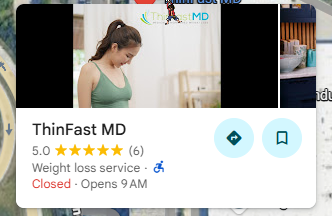
ThinFast MD
135 E Algonquin Rd Suite A2, Arlington Heights, IL 60005, United States
+18478068400
Company Details
Organization: Thinfast MD
Contact Person: Thinfast MD
Website: https://thinfastmd.com/
Email: Send Email
Contact Number: +18152291899
Address: 135 E Algonquin Rd Suite A2, Arlington Heights, IL 60005, United States
Address 2: 22R9+QX Arlington Heights, Illinois, USA
City: Arlington Heights
State: Illinois
Country: United States
Release Id: 29042644516