
Understanding Rotator Cuff Injuries and Repair: What Patients in Lubbock, TX Need to Know

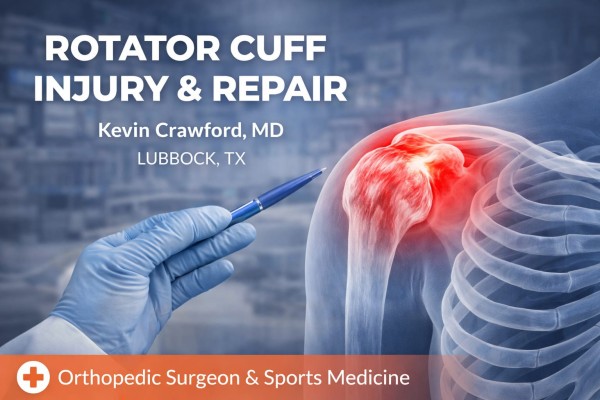
United States, 1st Apr 2026 – Shoulder pain can quickly interfere with your daily life—especially when it limits your ability to lift, reach, or even sleep comfortably. One of the most common causes of persistent shoulder pain is a rotator cuff injury. For patients in Lubbock, TX, understanding the causes, symptoms, and treatment options—including surgical repair—can help you take the right steps toward recovery.
The rotator cuff is a group of four muscles and tendons that stabilize the shoulder joint and allow for smooth, controlled movement. These tendons keep the upper arm bone securely in the shoulder socket while enabling a wide range of motion. When one or more of these tendons becomes irritated, inflamed, or torn, it can result in a rotator cuff injury.
Rotator cuff injuries can occur suddenly due to trauma, such as a fall or lifting something heavy, but they more commonly develop gradually over time. Repetitive overhead movements—often seen in athletes or individuals with physically demanding jobs—can lead to wear and tear on the tendons. Age is also a factor, as tendon strength and flexibility naturally decrease over time.
Common symptoms of a rotator cuff injury include a dull ache deep in the shoulder, weakness when lifting or rotating the arm, difficulty reaching overhead, and pain that worsens at night. Many patients report trouble sleeping on the affected side, which can significantly impact overall quality of life.
Diagnosis typically begins with a thorough physical examination and a review of your symptoms. Imaging tests such as MRI or ultrasound may be used to confirm the extent of the injury and determine whether there is a partial or complete tear.
Treatment options depend on the severity of the injury. Many patients find relief with conservative treatments such as rest, physical therapy, anti-inflammatory medications, and corticosteroid injections. These approaches aim to reduce pain, restore strength, and improve mobility without surgery.
However, when a rotator cuff tear is severe or does not respond to non-surgical treatment, surgical repair may be recommended. Rotator cuff repair is commonly performed using minimally invasive arthroscopic techniques. During this procedure, small incisions are made, and specialized instruments are used to reattach the torn tendon to the bone.
Surgical repair offers several benefits, including reduced pain, improved shoulder function, and the ability to return to normal activities. Recovery typically involves a structured rehabilitation program, which is essential for restoring strength and flexibility. While recovery timelines vary, most patients can expect gradual improvement over several months.
For individuals in Lubbock, TX experiencing ongoing shoulder pain, early evaluation is key. Addressing a rotator cuff injury promptly can prevent further damage and improve long-term outcomes.
Dr. Kevin Crawford, a trusted orthopedic surgeon and sports medicine specialist in Lubbock, is dedicated to helping patients regain strength, mobility, and confidence. Whether through conservative care or advanced surgical repair, his patient-centered approach ensures each individual receives the treatment best suited to their needs.
If shoulder pain is holding you back, don’t wait—seeking expert care can make all the difference in your recovery.
Understanding Rotator Cuff Injuries and Repair: What Patients in Lubbock, TX Need to Know
Shoulder pain can quickly interfere with your daily life—especially when it limits your ability to lift, reach, or even sleep comfortably. One of the most common causes of persistent shoulder pain is a rotator cuff injury. For patients in Lubbock, TX, understanding the causes, symptoms, and treatment options—including surgical repair—can help you take the right steps toward recovery.
The rotator cuff is a group of four muscles and tendons that stabilize the shoulder joint and allow for smooth, controlled movement. These tendons keep the upper arm bone securely in the shoulder socket while enabling a wide range of motion. When one or more of these tendons becomes irritated, inflamed, or torn, it can result in a rotator cuff injury.
Rotator cuff injuries can occur suddenly due to trauma, such as a fall or lifting something heavy, but they more commonly develop gradually over time. Repetitive overhead movements—often seen in athletes or individuals with physically demanding jobs—can lead to wear and tear on the tendons. Age is also a factor, as tendon strength and flexibility naturally decrease over time.
Common symptoms of a rotator cuff injury include a dull ache deep in the shoulder, weakness when lifting or rotating the arm, difficulty reaching overhead, and pain that worsens at night. Many patients report trouble sleeping on the affected side, which can significantly impact overall quality of life.
Diagnosis typically begins with a thorough physical examination and a review of your symptoms. Imaging tests such as MRI or ultrasound may be used to confirm the extent of the injury and determine whether there is a partial or complete tear.
Treatment options depend on the severity of the injury. Many patients find relief with conservative treatments such as rest, physical therapy, anti-inflammatory medications, and corticosteroid injections. These approaches aim to reduce pain, restore strength, and improve mobility without surgery.
However, when a rotator cuff tear is severe or does not respond to non-surgical treatment, surgical repair may be recommended. Rotator cuff repair is commonly performed using minimally invasive arthroscopic techniques. During this procedure, small incisions are made, and specialized instruments are used to reattach the torn tendon to the bone.
Surgical repair offers several benefits, including reduced pain, improved shoulder function, and the ability to return to normal activities. Recovery typically involves a structured rehabilitation program, which is essential for restoring strength and flexibility. While recovery timelines vary, most patients can expect gradual improvement over several months.
For individuals in Lubbock, TX experiencing ongoing shoulder pain, early evaluation is key. Addressing a rotator cuff injury promptly can prevent further damage and improve long-term outcomes.
Dr. Kevin Crawford, a trusted orthopedic surgeon and sports medicine specialist in Lubbock, is dedicated to helping patients regain strength, mobility, and confidence. Whether through conservative care or advanced surgical repair, his patient-centered approach ensures each individual receives the treatment best suited to their needs.
If shoulder pain is holding you back, don’t wait—seeking expert care can make all the difference in your recovery.
Frequently Asked Questions
How do I know if I have a rotator cuff tear or just a strain?
A rotator cuff tear often causes persistent pain, noticeable weakness, and difficulty lifting or rotating the arm—especially overhead. Unlike a minor strain, symptoms typically do not improve with rest alone and may worsen over time. Imaging such as an MRI can confirm whether a tear is present.
Can a rotator cuff injury heal without surgery?
Yes, many rotator cuff injuries—especially partial tears or inflammation—can improve with non-surgical treatment. Physical therapy, rest, and anti-inflammatory medications are often effective. However, full-thickness tears or injuries that don’t respond to conservative care may require surgical repair.
How long does it take to recover from rotator cuff surgery?
Recovery varies depending on the severity of the tear and the patient’s overall health, but most individuals can expect several months of rehabilitation. Initial healing may take 6–8 weeks, followed by physical therapy to restore strength and mobility. Full recovery can take anywhere from 4 to 6 months or longer.
Follow us on Facebook and Twitter, by Sports Doctor Lubbock, Rotator Cuff Repair, and Shoulder Dislocation
This article is for general purposes only and should not be considered medical advice. If you have any medical issues or questions, consult your physician.
Company Details
Organization: Dr. Kevin Crawford, Orthopedic Surgeon .
Contact Person: Office Manager
Website: https://drkevincrawford.com
Email: Send Email
Country: United States
Release Id: 01042643494