
Signs Your Tree Needs Immediate Attention

How to Spot Decay, Bark Damage, and Early Warning Signs of Tree Instability
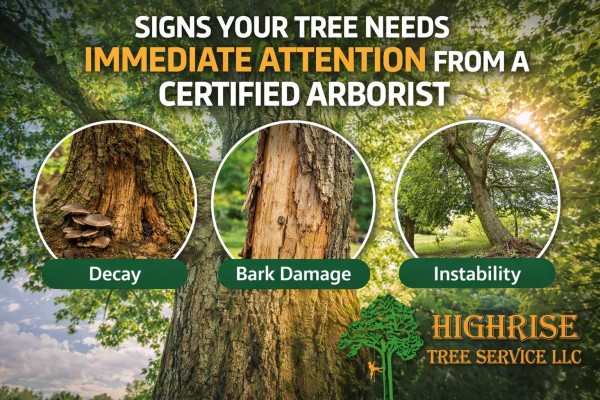
United States, 18th Mar 2026 – Trees are one of the most valuable features of any landscape, providing shade, beauty, and environmental benefits. However, when a tree becomes unhealthy or structurally compromised, it can quickly turn into a safety hazard for your home and property.
Knowing how to recognize the early warning signs of a dangerous or declining tree can help you prevent property damage and avoid costly emergency removals. In many cases, a Certified Arborist can identify problems early and recommend solutions that preserve the tree’s health while protecting your property.
Below are some of the most common signs that a tree may need immediate professional attention.
Visible Cracks or Splits in the Trunk
One of the most serious warning signs of a tree problem is a large crack or split in the trunk or major branches. Cracks can develop from storm damage, internal decay, or structural stress within the tree.
These fractures weaken the tree’s structural integrity and increase the risk of limbs or the entire trunk failing during high winds or storms. In some cases, cracks can extend deep into the tree’s core, making it unstable even if the canopy appears healthy.
If you notice deep cracks or long seams running down the trunk, it’s best to have the tree inspected by a professional arborist as soon as possible.
Peeling, Missing, or Damaged Bark
The bark of a tree acts as a protective barrier against insects, disease, and environmental stress. When bark begins to peel away, fall off, or develop unusual discoloration, it may indicate that the tree is under stress or suffering from disease.
Changes in bark appearance can also signal pest infestations or fungal infections. Dark stains, cracks, or holes in the bark may point to deeper internal problems that require professional evaluation.
While some trees naturally shed small amounts of bark, large areas of missing bark or exposed wood should always be taken seriously.
Mushrooms or Fungus Growing Near the Base
If you notice mushrooms or fungal growth around the base of a tree or on its trunk, it could be a sign that internal decay is already occurring.
Fungi feed on decomposing wood, which means they often appear when the interior structure of a tree has begun to rot. This type of decay can weaken the trunk or root system and significantly reduce the tree’s stability.
Because decay often happens inside the tree first, fungal growth is one of the clearest external signs that something may be wrong internally.
Dead or Falling Branches
Dead limbs—sometimes called “widow makers”—are a common sign that a tree is struggling. These branches may appear brittle, leafless, or cracked and can fall without warning.
Beyond posing a safety hazard, dead branches can also signal deeper health issues within the tree, such as disease, root problems, or structural decline.
Routine tree trimming and professional inspections can help identify and remove these hazardous branches before they cause damage.
A Sudden Lean or Soil Movement
Some trees naturally grow at an angle, but a sudden lean or a noticeable increase in the tree’s tilt can indicate serious root or structural problems.
Signs to watch for include:
- Exposed roots
- Soil cracking or lifting around the base
- Roots pulling out of the ground
- A tree leaning after heavy rain or storms
When a tree begins to lean unexpectedly, it may be losing its root support system and could potentially fall. Professional arborists can assess whether the tree can be stabilized or if removal is the safest option.
Cavities or Hollow Areas in the Trunk
Trees sometimes develop hollow sections as they age, but large cavities or hollow trunks can reduce the tree’s structural strength.
Because trees often decay from the inside out, these hollow areas may indicate significant internal deterioration even if the tree still appears healthy on the outside.
A certified arborist can evaluate how much healthy wood remains and determine whether the tree is safe to keep.
Why Early Inspection Matters
Many serious tree failures occur because warning signs were overlooked. A professional tree inspection can identify potential hazards before they escalate into emergencies.
A Certified Arborist has the training and experience to assess tree health, identify disease or decay, and recommend the most appropriate treatment—whether that involves pruning, structural support, or safe removal.
Regular inspections are especially important after storms or periods of extreme weather, when trees may experience hidden damage.
Protect Your Property with Professional Tree Care
If you notice any of these warning signs, it’s important to act quickly. Addressing tree problems early can prevent injuries, property damage, and costly emergency services later.
At Highrise Tree Service, our experienced team provides professional tree inspections, trimming, and removal services throughout the Tucson area. Our certified professionals understand how to identify structural issues and help homeowners maintain safe, healthy trees.
If you’re concerned about the condition of a tree on your property, contact Highrise Tree Service today to schedule a professional evaluation.
Contact us today to schedule a trimming assessment for your home or business.
For more information on Tucson Tree Trimmers and Tree Removal in Tucson, check out Highrise Tree Service in Tucson, AZ. Follow us on Facebook and Instagram.
This information is for general reading purposes only and should not be considered as professional or legal advice.
Company Details
Organization: Highrise Tree Service
Contact Person: Office Manager
Website: https://highrisetreeservice.com
Email: Send Email
Country: United States
Release Id: 18032642776