
Sensory Interiors Introduces Neuro-Inclusive Design for Every Mind

Sensory-aware design for neurodivergent individuals, creating spaces that accommodate sensory needs regardless of the settings.
United States, 24th Feb 2026 – As two people enter an upscale hotel lobby, one is captivated by the modern luxury design. They admire the polished obsidian floor, reflecting the chandelier above, and the bold geometric gold wallpaper that energizes the space. The crisp lounge music and warm lighting enhance the relaxing atmosphere, creating a flawless, curated environment.
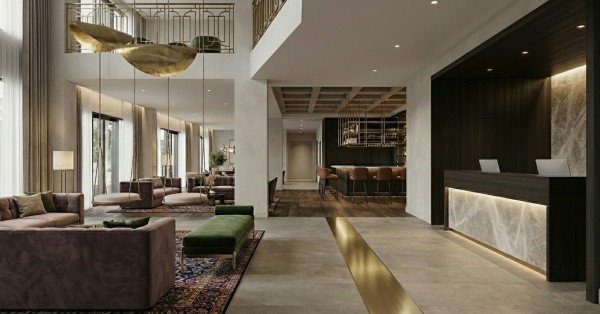
The second person experiences the space differently due to heightened sensory sensitivity. The reflective obsidian floor causes disorientation, making each step feel unstable, while the bold gold wallpaper overwhelms their vision. The design elements that energize the first guest are overwhelming to this individual, who, despite masking their discomfort, is yearning for a quieter, calmer environment.
The Invisible Divide: Sensory Sensitivities of Neurodivergent Individuals
Walk into a luxury restaurant and the same divide appears. The first person admires the Edison bulbs hanging at varied heights creating an artfully uneven canopy of warm light. They appreciate the exposed brick walls that give the space character and the open kitchen where chefs call out orders over the clang of pans. The playlist is a carefully curated mix of indie tracks that blends into the lively hum of conversation. This person is energized by the atmosphere and ready to enjoy their meal.
The second person walks into that same restaurant and their brain immediately begins tracking too much information. The uneven lighting creates pockets of shadow and glare that make it difficult to judge depth and distance. The exposed brick amplifies sound instead of absorbing it so every conversation and dish clatter echoes off the hard surfaces and layers into a wall of noise. The open kitchen means aromatic overload of garlic, searing meat, burnt oil; all competing for attention while their brain struggles to filter what matters. The music is not background anymore because their auditory system cannot push it behind the conversation at their table. Within minutes they are exhausted from the effort of simply existing in space.
The Problem: Lack of Sensory Design in Spaces
This invisible divide is the reality for the neurodivergent community which includes minds like those with Autism, ADHD, Dyslexia, and Sensory Processing Disorder. Autism often involves heightened sensitivity to sensory systems including interoception, the internal sense of the body, and vestibular processing which governs balance. A space that feels fun to one person might feel like an assault on the equilibrium of an autistic individual.
The problem is that residential design, commercial design, institutional design, and hospitality design all lack the integration of sensory techniques to enhance the experience and cover the needs of neurodivergent individuals. Despite the fact that millions of neurodivergent people live in the United States the industry falls into typical design approaches and either ignores sensory input entirely because of lack of knowledge in the topic or adds it as an afterthought. Sensory design cannot be an afterthought. In order to work it needs to be embedded from the beginning with deep reasoning on how each design element serves different neurodiverse minds and how to avoid sensory overstimulation. 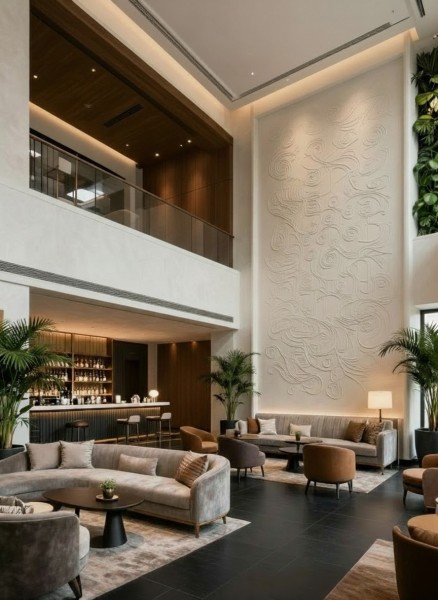
The Solution: Sensory Interiors’ Neuro-Inclusive Approach
At Sensory Interiors we have spent years designing for neurodivergent populations in autism therapy spaces, medical offices, commercial workplaces, and residential environments. We have learned that the nervous system does not change based on whether someone is at home, at work, in a restaurant, or on vacation. The same brain that struggles with mirror-polished floors in a hotel lobby also struggles with them in a corporate office. The same sensory needs that require acoustic dampening in a therapy room are present in a movie theater. What we understand is not just how to design specific building types but how neurodivergent minds interact with any environment they enter. This applies everywhere neurodivergent individuals go (schools, parks, restaurants, hotels, spas, stores, theaters, and beyond.)
Intentional Design: How Every Element Matters
We move away from the typical interior design approach that only asks what looks good in a photograph and instead we ask how a room interacts with the human nervous system. We serve clients nationwide and we layer intentionality into every material and layout choice we make. We know that you do not have to sacrifice a hip brand identity to be neuro-inclusive but you do have to design with more sensitivity and knowledge.
Transforming Spaces for Neurodivergent Minds
Imagine that second guest walking back into the hotel lobby but this time the design has been informed by sensory principles. The floor is still obsidian quartz but now it has a leathered finish instead of a mirror polish. It offers the same rich dark color without the dizzying glare. Their feet land with confidence because the surface provides tactile grounding and visual stability. The far wall is still bold gold but instead of a geometric pattern that vibrates in peripheral vision it features a sophisticated organic texture. The brand keeps its signature accent while ensuring the pattern remains peacefully in the background of the viewer’s mind. The lighting is warm but diffused evenly so there are no pockets of shadow or glare to disorient them. The lounge music still plays but at a volume that allows it to stay in the background rather than competing with thought.
This guest can now move through the lobby without performing relaxation or masking their distress. Their nervous system is not screaming anymore. They can check in, sit down, and breathe. The space is still high end and stylish but now it is also functional for their brain. The first guest who loved the original design would still admire this version because the aesthetic integrity has not been compromised. The materials and patterns have simply been selected with more intention to create a space that serves both minds equally well.
A Shift in Industry Standards: Neuro-Inclusive Design for All
The same principles we apply in autism therapy spaces translate directly into other building types. The skills are transferable because the neurodivergent mind is transferable. A person does not stop being autistic when they check into a hotel or stop having ADHD when they walk into a store. Their sensory needs remain constant. What changes is whether the designer understood those needs and made intentional choices to accommodate them.
At Sensory Interiors we are shifting the industry standard to a place where design is judged by how it makes people feel. We deeply care about the neurodivergent community and we are committed to opening doors for a population that has been ignored for too long. In doing so we are creating a standard of comfort that feels better for everyone. If you want to learn more about sensory design and how to make your home or business truly inclusive for neurodivergent individuals, we invite you to reach out. Let us show you how intentional design can transform any space into one that welcomes every mind that enters it.
Start Designing Your Empowered Space
Discover how sensory-aware design can enhance your wellbeing at Sensory Interiors’ website or follow them on social media:
Instagram | LinkedIn | Facebook
About Sensory Interiors
At Sensory Interiors, we design for the human nervous system. Every choice we make is informed by how people see, hear, touch, move, learn, and regulate in the spaces they experience every day. Our approach blends sensory design, design psychology, and evidence-informed strategies to create environments that support autism, neurodivergent individuals, families, therapists, clinicians, educators, and medical and wellness professionals.
We work alongside parents, school leaders, medical teams, clinical directors, founders, and visionaries across the country who seek more than just beauty in their spaces. They want luxury that honors the senses. They want interiors that reduce sensory overload, improve focus, enhance wellbeing, and foster meaningful progress for the people who use them.
Company Details
Organization: Sensory Interiors
Contact Person: Lily Riefkohl
Website: http://www.sensory-interiors.com
Email: Send Email
Country: United States
Release Id: 24022641801