
ABA Therapy Supports Positive Behavioral Growth in Schools

ABA Therapy fosters positive behavioral growth in schools by enhancing social skills, communication, self-regulation, and classroom engagement, reducing disruptive behavior, and creating a supportive environment for long-term academic and social success.
Florence, KY, United States, 9th Dec 2025 – ABA Therapy plays a crucial role in fostering positive behavioral growth within school environments, providing structured methods to support children’s learning and social development. Through consistent observation, reinforcement, and targeted interventions, ABA Therapy helps students build essential skills such as self-control, cooperation, and effective communication. By focusing on measurable behaviors and individualized strategies, teachers and therapists can address challenges proactively, reducing disruptive incidents and promoting a supportive classroom atmosphere. Students gradually gain confidence in their abilities, learn appropriate social interactions, and experience improved engagement in academic tasks. Implementing ABA Therapy in schools not only benefits children with behavioral challenges but also enhances the overall learning environment for all students, encouraging long-term positive growth and success.
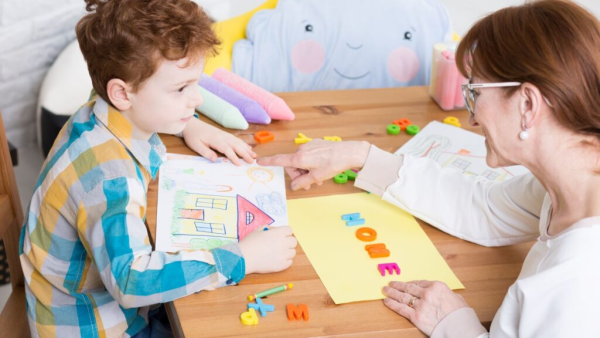
Building Social Awareness
ABA Therapy focuses on helping students recognize and understand social cues, emotions, and the impact of their behavior on peers. Through guided interactions and repeated practice, children learn to interpret facial expressions, body language, and tone of voice effectively. This awareness enables students to respond appropriately in social situations, promoting respectful and meaningful connections. By consistently reinforcing positive social behavior, ABA Therapy encourages children to develop empathy and consideration for others. Strengthening social awareness within schools not only improves individual student outcomes but also creates a more inclusive and cooperative learning environment for the entire classroom.

Strengthening Classroom Engagement
ABA Therapy encourages active participation by teaching students how to focus on tasks and respond appropriately to instructions. Structured routines and reinforcement systems help children remain attentive and motivated throughout lessons. Teachers can observe and track behavioral progress, adjusting strategies to match each student’s needs. As engagement improves, students develop stronger academic skills and contribute more positively to group activities. ABA Therapy ensures that children feel supported in their learning journey, reducing frustration and enhancing confidence. Increased classroom engagement fosters a productive learning environment where students are empowered to succeed both academically and socially.
Encouraging Self-Regulation
Self-regulation is a vital skill for school success, and ABA Therapy provides strategies to help students manage emotions, impulses, and reactions. Through consistent modeling, reinforcement, and practice, children learn to pause, reflect, and choose appropriate responses during challenging situations. This skill reduces conflict and promotes smoother interactions with peers and teachers. By gradually increasing independence in managing behavior, ABA Therapy helps students build confidence and resilience. Encouraging self-regulation within schools fosters a calmer, more focused classroom atmosphere, allowing children to concentrate on learning while developing lifelong skills that support personal and academic growth.
Promoting Positive Interactions
ABA Therapy emphasizes reinforcing cooperative behavior and encouraging respectful exchanges among students. Structured activities and guided practice teach children to share, take turns, and communicate politely with peers. By celebrating positive interactions, students are motivated to repeat constructive behaviors consistently. This approach minimizes misunderstandings and peer conflicts, creating a supportive school climate. Promoting positive interactions helps students build strong social networks, enhances collaboration, and improves overall classroom morale. ABA Therapy empowers children to engage with empathy and understanding, establishing patterns of behavior that extend beyond the classroom and contribute to a harmonious and productive learning environment.
Enhancing Communication Skills
ABA Therapy helps students develop both verbal and nonverbal communication, ensuring they can express needs, thoughts, and emotions clearly. Through targeted exercises and consistent reinforcement, children learn to initiate conversations, respond appropriately, and interpret cues from others. Improving communication skills reduces frustration and misunderstandings, supporting academic participation and social integration. Teachers benefit from clearer student expression, allowing for more effective instruction and guidance. By enhancing communication abilities, ABA Therapy equips students with tools to navigate school life confidently, build relationships, and engage in collaborative learning experiences, strengthening both individual and group success.
Reducing Disruptive Behavior
ABA Therapy identifies triggers and patterns behind disruptive behaviors and replaces them with positive alternatives. Using reinforcement, observation, and structured interventions, students learn to respond appropriately instead of acting out. This approach reduces interruptions, improves classroom flow, and creates a calmer learning environment. Teachers can focus more on instruction, and peers benefit from fewer distractions. Over time, children internalize positive behavior patterns, demonstrating improved self-control and accountability. Reducing disruptive behavior through ABA Therapy not only supports individual student development but also fosters a productive and respectful school environment, enhancing learning outcomes for all students.
Identifying Behavior Triggers
ABA Therapy carefully observes students to identify the specific triggers and patterns that lead to disruptive behavior. By understanding what prompts these actions, therapists and teachers can anticipate challenges and intervene proactively. Recognizing triggers allows for the development of personalized strategies, giving children the tools to manage reactions before they escalate.
Implementing Positive Alternatives
Once disruptive patterns are recognized, ABA Therapy introduces constructive alternatives for students to express themselves appropriately. Through modeling, reinforcement, and guided practice, children learn healthier ways to handle frustration, attention-seeking, or emotional challenges. By consistently applying these strategies, students gradually replace negative behaviors with positive ones. This transition not only reduces conflicts but also encourages confidence and cooperation in daily school interactions.
Reinforcement and Observation Techniques
ABA Therapy relies on consistent reinforcement and observation to strengthen desired behaviors. Positive behaviors are rewarded through praise, attention, or other motivating factors, encouraging repetition and mastery. Ongoing observation helps track progress and adjust strategies when necessary, ensuring interventions remain effective. Teachers and therapists work together to maintain continuity between classroom and therapy sessions, making behavioral gains sustainable and measurable over time.
Improving Classroom Environment
Reducing disruptive behavior through ABA Therapy enhances the overall classroom atmosphere. With fewer interruptions, lessons flow more smoothly, and teachers can devote attention to instruction rather than behavior management. Students experience a calmer, more predictable learning space, which supports focus and engagement. This positive environment benefits all children, fostering collaboration, respect, and a sense of safety, ultimately promoting academic and social growth.
Developing Long-Term Self-Control
ABA Therapy helps students internalize positive behaviors, leading to improved self-control and accountability. As children practice new coping strategies and socially appropriate responses, these skills become second nature. Over time, students demonstrate resilience, patience, and better decision-making, both academically and socially.
Supporting Academic Participation
ABA Therapy encourages consistent engagement with lessons and classroom activities, helping students achieve their learning goals. By breaking tasks into manageable steps and providing reinforcement, children gain confidence and motivation to participate actively. This approach accommodates diverse learning needs while promoting independence and persistence. Teachers can track progress and adjust strategies to maximize understanding and retention. Supporting academic participation ensures that students are not left behind due to behavioral challenges, creating equitable opportunities for learning. Through ABA Therapy, schools cultivate a culture of focus, determination, and achievement, where students can fully access and benefit from educational experiences.
Conclusion
ABA Therapy supports positive behavioral growth in schools by equipping students with essential social, communication, and self-regulation skills. Through structured interventions and consistent reinforcement, children gain confidence, improve classroom engagement, and develop meaningful interactions with peers and teachers. Implementing ABA Therapy creates a supportive learning environment that encourages long-term behavioral success and academic participation, benefiting both students and the broader school community. For more information or to discuss how ABA Therapy can support your child’s growth, contact Positive Solutions Behavior Group LLC in Florence, KY. Call us at 859-282-0400 to schedule a consultation and begin fostering positive behavioral change today.
Positive Solutions Behavior Group, LLC
1130 Boone Aire Rd, Florence, KY 41042, United States
859-282-0400
https://positivesolutionsbehaviorgroup.com/
Company Details
Organization: Positive Solutions Behavior Group LLC (Florence)
Contact Person: Positive Solutions Behavior Group LLC (Florence)
Website: https://positivesolutionsbehaviorgroup.com/
Email: Send Email
Contact Number: +18592826518
Address: 1130 Boone Aire Rd, Florence, KY 41042
City: Florence
State: KY
Country: United States
Release Id: 09122538769