
Pest Control Measures Safeguard Schools and Public Spaces

Effective pest control in schools and public spaces combines monitoring, sanitation, structural safeguards, staff training, and seasonal adjustments to prevent infestations, protect health, maintain safety, and ensure clean, well-managed environments.
Fort Lauderdale, Florida, United States, 5th Dec 2025 – Pest control plays a crucial role in maintaining the safety and hygiene of schools and public spaces, ensuring that students, staff, and visitors can thrive in a healthy environment. Proper pest control prevents infestations of rodents, insects, and other unwanted creatures that can spread disease or cause structural damage. By implementing strategic prevention and management techniques, institutions protect both property and the well-being of their communities. Regular inspections, sanitation practices, and targeted interventions form the backbone of effective pest control, reducing potential risks before they escalate. Prioritizing these measures fosters a secure and comfortable environment, demonstrating a commitment to public health and long-term maintenance in educational and communal settings.
Preventive Monitoring
Preventive monitoring is a key aspect of effective pest control in schools and public areas. Regular inspections help identify early signs of infestations, allowing for timely intervention before problems worsen. Monitoring includes checking for droppings, nesting materials, and pest pathways, as well as observing conditions that may attract unwanted creatures. By tracking pest activity consistently, administrators can implement targeted measures that minimize chemical use while maintaining safety. Preventive monitoring ensures that potential threats are detected early, reducing health risks for students, staff, and visitors, and keeping shared environments clean, safe, and well-maintained.
Sanitation Practices
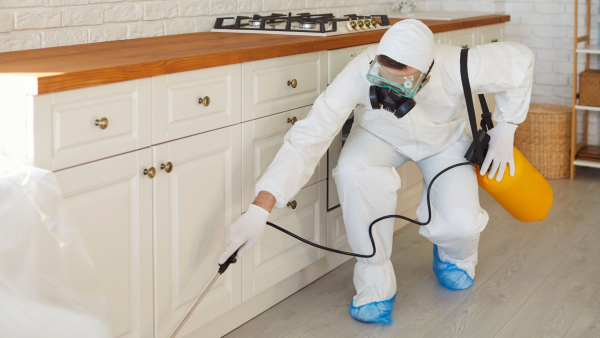
Maintaining strict sanitation practices is fundamental to successful pest control in public spaces and schools. Cleanliness reduces the availability of food, water, and shelter that pests need to survive. Proper disposal of trash, regular cleaning of floors, and thorough maintenance of food storage areas all contribute to minimizing infestation risks. Routine disinfection of surfaces further discourages pest presence while promoting a healthier environment. When sanitation practices are integrated into daily routines, pest populations are kept in check naturally, preventing outbreaks that can disrupt activities and compromise safety. Consistent attention to cleanliness reinforces overall pest control efforts effectively.
Structural Safeguards
Structural safeguards play an important role in long-term pest control for educational and public facilities. Sealing cracks, repairing broken windows, and maintaining door frames help block common entry points for insects and rodents. Proper drainage and ventilation systems also prevent moisture accumulation that can attract pests. By addressing vulnerabilities in the building infrastructure, schools and public spaces reduce the likelihood of infestations and related damages. Structural safeguards complement other pest control measures, providing a physical barrier that supports monitoring and sanitation efforts.
Environmental Awareness
Environmental awareness strengthens pest control by encouraging proactive management of factors that attract pests. Landscaping choices, water management, and surrounding vegetation all influence pest activity near schools and public areas. Maintaining clean, dry perimeters, removing debris, and selecting pest-resistant plantings can reduce pest habitats. Awareness of seasonal pest behaviors allows facilities to anticipate potential risks and adjust measures accordingly. Integrating environmental awareness with daily management practices creates a safer, healthier environment.
Education and Training
Education and training of staff are essential components of successful pest control programs. By teaching personnel to identify signs of pest activity, respond appropriately, and maintain hygiene standards, schools and public spaces strengthen overall safety. Training ensures that all staff understand preventive measures, proper waste handling, and reporting protocols. Educated teams can act quickly to address potential infestations, reducing risks before they escalate.
Staff Awareness Programs
Staff awareness programs are a key component of effective pest control. By educating personnel about common pests, their behavior, and signs of infestations, schools and public spaces can detect problems early. Awareness initiatives encourage employees to remain vigilant and proactive in reporting issues. Knowledgeable staff reduce the risk of widespread infestations, contributing to a safer and healthier environment for students, visitors, and the community, supporting overall pest management strategies.
Proper Hygiene Practices
Teaching proper hygiene practices ensures that staff understand their role in preventing pest activity. Maintaining clean work areas, properly disposing of waste, and following sanitation protocols can significantly reduce the resources pests need to thrive. Educating personnel on routine cleaning routines and food storage methods minimizes potential infestation sites. Reinforcing these practices regularly promotes a culture of cleanliness, complementing broader pest control efforts, and safeguarding both health and property within schools and public spaces.
Early Detection Training
Early detection training equips staff with the skills to identify pest activity before it becomes a major issue. Employees learn to recognize droppings, nesting signs, and unusual damage in classrooms, hallways, and communal areas. Prompt reporting allows management to take swift action, reducing potential health risks and property damage. Early detection also supports preventive pest control, enabling measures to be applied efficiently and ensuring that infestations are controlled in their initial stages.
Response Protocols
Response protocols provide staff with clear instructions on how to handle pest sightings or incidents. Proper procedures reduce panic, prevent improper handling, and ensure a coordinated approach to containment. Training includes whom to notify, temporary safety measures, and steps to minimize exposure. When personnel follow standardized protocols, interventions are more effective, and risks to students, staff, and visitors are minimized. Clear response plans also support compliance with health and safety standards in public spaces.
Continuous Skill Development
Continuous skill development ensures that pest control knowledge remains up to date among staff. Regular training sessions, refresher courses, and updates on emerging pest threats keep personnel informed of best practices. Ongoing education reinforces preventive measures, sharpens observational skills, and encourages proactive behaviors. By investing in continuous learning, schools and public spaces maintain a well-prepared team capable of handling pest challenges efficiently, enhancing overall safety, cleanliness, and confidence in the managed environment.
Seasonal Adjustments
Seasonal adjustments are necessary to maintain consistent pest control in public and educational environments. Different times of the year bring varying pest challenges, from increased insect activity during warmer months to rodent migrations in colder seasons. Adjusting preventive measures, inspection frequency, and sanitation routines according to seasonal trends ensures timely responses to emerging threats. Planning for seasonal fluctuations allows administrators to allocate resources effectively, minimizing disruption while maintaining safety.
Ongoing Maintenance
Ongoing maintenance is a crucial aspect of comprehensive pest control for schools and public spaces. Routine upkeep of infrastructure, cleaning systems, and sanitation practices ensures that pest-friendly conditions do not develop. Scheduled inspections, repairs, and monitoring reinforce preventive measures, allowing early detection of potential issues. Consistent maintenance complements other strategies, providing a reliable framework for pest control that minimizes risks to health and property.
Conclusion
Effective pest control is essential for maintaining safe, healthy, and productive environments in schools and public spaces. By combining preventive monitoring, sanitation practices, structural safeguards, and staff education, facilities can minimize risks posed by rodents, insects, and other pests. Seasonal adjustments and ongoing maintenance further strengthen these measures, ensuring that communities in Broward County enjoy clean and secure shared spaces. Prioritizing pest control not only protects property and health but also fosters confidence among students, staff, and visitors, creating a comfortable and well-maintained environment for all. For professional pest control services in Broward County, trust Yellow Banana Pest Control. Our team is dedicated to providing safe, reliable, and comprehensive solutions for schools, public facilities, and community spaces. Whether you need routine inspections or targeted interventions, we ensure effective management tailored to your needs. Reach us today at 954-884-5001 to schedule a consultation and protect your property and occupants from unwanted pests. Let us help you maintain a cleaner, safer, and pest-free environment across Broward County.
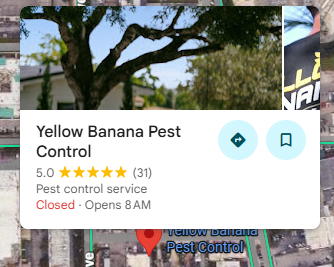
Yellow Banana Pest Control
220 SW 29TH ST Fort Lauderdale FL 33315
954-884-5001
Company Details
Organization: Yellow Banana Pest Control
Contact Person: Yellow Banana Pest Control
Website: https://yellowbananapest.com/
Email: Send Email
Contact Number: +19548845001
Address: 220 SW 29TH ST Fort Lauderdale FL 33315
City: Fort Lauderdale
State: Florida
Country: United States
Release Id: 05122538548