
7 Powerful Foods That Help Support Your Child’s Brain and Body Growth

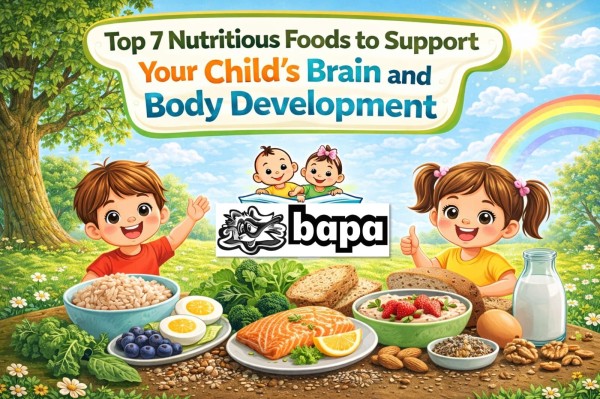
United States, 19th Mar 2026 – During childhood, the body and brain develop rapidly. What kids eat during these formative years directly influences their ability to learn, stay focused, build strength, and maintain overall health.
The good news? Supporting your child’s development doesn’t require complicated meal plans. By consistently incorporating a few key nutrient-dense foods, you can help fuel both mental performance and physical growth in a simple, effective way.
Here are seven essential foods every parent should consider adding to their child’s routine.
1. Eggs – A Complete Brain and Body Booster
Eggs are one of the most well-rounded foods for growing children. They provide high-quality protein for muscle development along with choline, an important nutrient linked to memory and brain function.
Choline plays a vital role in supporting brain regions responsible for learning and memory. Starting the day with eggs can help kids stay energized and focused throughout school and activities.
2. Fatty Fish – Essential Fuel for the Brain
Fish such as salmon, trout, and sardines are rich in omega-3 fatty acids, especially DHA, which is critical for brain development.
These healthy fats help support:
- Memory and learning ability
- Attention and focus
- Overall cognitive function
If your child isn’t a fan of fish, try incorporating it into familiar meals like pasta, wraps, or tacos to make it more appealing.
3. Berries – Natural Protection for Brain Cells
Berries like blueberries, strawberries, and raspberries are packed with antioxidants that help protect brain cells from damage.
They also contribute to:
- Improved memory
- Better communication between brain cells
- Stronger immune support
They’re an easy win—perfect as a snack, smoothie addition, or topping for breakfast foods.
4. Leafy Greens – Fuel for Growth and Focus
Vegetables such as spinach, kale, and broccoli provide essential nutrients like vitamin K, folate, and iron.
These nutrients play a key role in:
- Brain development
- Healthy blood circulation
- Oxygen delivery to the brain
If your child resists greens, try blending them into smoothies or mixing them into dishes like eggs, pasta, or sauces.
5. Whole Grains – Long-Lasting Energy
Whole grains like oats, brown rice, and whole wheat bread provide a steady supply of glucose, which the brain relies on for energy.
Unlike processed snacks, they help children:
- Maintain consistent energy levels
- Stay focused longer
- Avoid energy crashes
This makes them ideal for breakfast and school meals.
6. Yogurt – Supporting the Gut-Brain Connection
Yogurt is rich in protein, calcium, and probiotics, all of which support both physical growth and digestive health.
The gut and brain are closely connected, and a healthy digestive system can positively influence mood, focus, and mental clarity.
For best results, choose low-sugar or plain yogurt and add fresh fruit for natural sweetness.
7. Nuts and Seeds – Small Foods, Big Benefits
Nuts and seeds such as almonds, walnuts, chia seeds, and flaxseeds are packed with healthy fats, protein, and essential minerals.
They help support:
- Brain health and memory
- Cell protection
- Sustained energy
For younger children, opt for nut butters or ground seeds for easier and safer consumption.
Creating Healthy Habits That Last
The goal isn’t perfection—it’s consistency. Regularly including these nutrient-rich foods in your child’s diet helps build a strong foundation for lifelong health, improved learning, and better overall well-being.
Introducing healthy options early also helps children develop a positive relationship with food, making them more likely to carry these habits into adulthood.
Frequently Asked Questions
What foods best support a child’s brain development?
Foods rich in omega-3s, protein, and key vitamins—such as eggs, fish, berries, leafy greens, and nuts—are especially beneficial for brain growth and cognitive function.
How can I encourage my child to eat healthier?
Start small, keep meals visually appealing, and involve your child in preparing food. Pairing healthy ingredients with flavors they already enjoy can also increase acceptance.
Do children need supplements for proper nutrition?
Most children can meet their nutritional needs through a balanced diet. However, supplements may be helpful in certain cases and should be discussed with a healthcare professional.
For more information, check out Bapa Books and Bapa’s Word Puzzle Books, Coloring Books, and Math Sense Books. Follow us on Facebook and X.
This content is for general reading purposes only and should not be considered as medical or professional advice.
Company Details
Organization: Bapa Productions LLC
Contact Person: Office Manager
Website: https://bapabooks.com
Email: Send Email
Country: United States
Release Id: 19032642821